


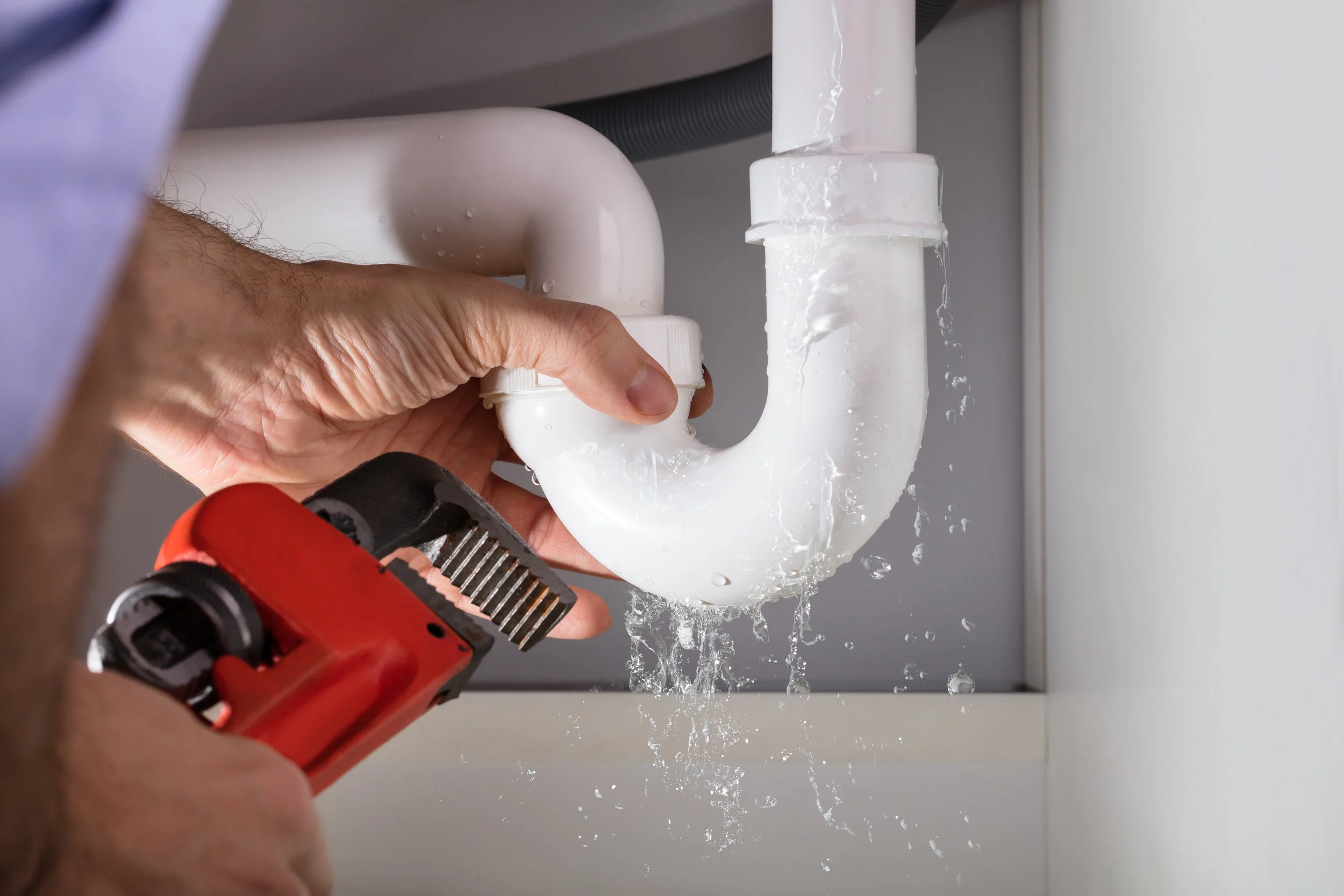
A small plumbing leak rarely stays small once it spreads into mechanical spaces. Water can wick into duct insulation, drip onto control boards, or soak a GFCI outlet. Extra humidity forces your AC to run longer, and a clogged condensate drain can cause overflow that damages nearby equipment. This article explains how one issue can ripple through plumbing, HVAC, and electrical systems, what early signs to watch for, and how to decide between AC repair and replacement when equipment has been exposed to moisture. The goal is practical triage now, followed by the right steps to protect performance and safety.
-
What to Shut Off and Check in the First 10 Minutes
Start at the source. Close the nearest fixture supply stop or the main water shut-off. Cut power to affected equipment at the breaker panel and use the furnace service switch to de-energize the air handler if water is nearby. Look at the condensate drain line and drip pan under the evaporator coil for standing water. If you need professional help, a local option like Plumber in Bartlesville can isolate the plumbing fault while you prevent cross-system damage.
Two quick checks can save equipment. First, if a second-floor bathroom leak drips into a closet with an air handler, place towels or a pan under the unit and do not restart it until everything is dry. Second, if a GFCI or AFCI breaker trips near the furnace or condensate pump, resist the temptation to reset it repeatedly. Moisture in a receptacle or pump motor can cause repeated trips and arcing; it needs drying and evaluation, not just a reset.
-
How Moisture and Humidity Undercut AC Performance
Even after the visible leak stops, elevated indoor humidity can stress your AC. A wet return plenum or saturated duct insulation raises latent load, so the evaporator coil must remove more moisture before air feels cool. That added load can lengthen runtimes, encourage bacterial growth in the primary drain pan, and, if a clogged filter restricts airflow, even cause the coil to ice. Watch for warm supply air, longer cycles, a musty odor, or water around the air handler’s base.
Condensate management is a common failure point. Algae and biofilm can block the condensate drain line or P-trap. When that happens, the drip pan overflows, potentially soaking the blower motor or control board. A float switch that shuts the system off when the pan fills can prevent overflow, and a secondary pan with its own drain offers an extra layer of protection, especially for air handlers in attics or closets over finished spaces.
-
Cross-System Clues That Point to the Real Problem
A few patterns help you connect symptoms to causes. If a bathroom leak coincides with a condensate pump running constantly, you may be hearing it evacuate both normal condensate and water intrusion from above. If a ground-fault device trips when the AC starts, suspect moisture in the pump, an outdoor disconnect, or a nearby receptacle. Bubbling in a toilet and sewer odors can indicate a partially blocked main drain; negative pressure from the air handler can draw those odors through a dry trap in an infrequently used floor drain.
Another clue is the water heater. If the temperature and pressure (T&P) relief valve dribbles while you also notice banging pipes and leaking faucet stems, excessive supply pressure may be stressing your plumbing. That same pressure spike can cause small leaks around a coil’s condensate connections or a humidifier saddle valve. A pressure-reducing valve on the main line and an expansion tank at the water heater can stabilize the system and reduce those cross-system symptoms.
-
After Water Exposure: AC Repair or New Installation?
When water reaches the air handler, an HVAC technician should evaluate the blower motor bearings, the control board, low-voltage wiring, and duct liner. If components are only damp and undamaged, targeted HVAC repair may restore reliable operation. Replace any soaked ductboard sections and sanitize the drain pan and line to disrupt bacterial growth. If the evaporator coil fins are corroded or the blower wheel is contaminated with biofilm, cleaning can improve efficiency and reduce odors.
Replacement comes into play when repeated moisture exposure has corroded terminals, damaged insulation, or caused frequent breakdowns. If the existing outdoor unit is already near the end of its service life, a matched AC installation with a variable-speed air handler may control humidity better than a simple single-stage system. The trade-off is upfront cost versus fewer nuisance trips, shorter runtimes in muggy weather, and cleaner condensate management. A licensed electrician can assess whether a dedicated circuit for the condensate pump or an updated disconnect will improve reliability.
-
Preventing the Next Incident Across Plumbing, HVAC, and Electrical
Small upgrades add resilience. On the plumbing side, swap aging rubber supply hoses for braided stainless lines, install a pressure-reducing valve if static pressure is high, and consider a smart leak detector with an auto shut-off at the main. For HVAC services, have the condensate drain and P-trap cleaned annually, add a float switch and secondary pan, and replace clogged filters before cooling season ramps up. In humid climates, a whole-home dehumidifier tied into the return can keep indoor relative humidity in a range that eases the coil’s workload.
Electrical safety deserves attention too. Test GFCI and AFCI protection near mechanical equipment, elevate basement receptacles where feasible, and keep low-voltage splices in proper junction boxes. If equipment sits in a garage or attic, an electrician can verify bonding and grounding, protect the outdoor disconnect from rain intrusion, and provide a dedicated receptacle for the condensate pump. Coordinated tune-ups across plumbing, HVAC repair, and electrical systems reduce the odds that one leak turns into three problems.
Water follows the path of least resistance, and sometimes that path runs straight through your AC and wiring. Fast shut-offs, careful moisture checks, and a disciplined inspection of condensate drains, ductwork, and nearby outlets can prevent secondary damage. From there, a clear-eyed choice between targeted AC repair and a new AC installation keeps comfort and safety on track. Add routine HVAC services, basic plumbing safeguards, and an electrician’s eye for protection, and the next surprise drip is far less likely to become a whole-house headache.
