


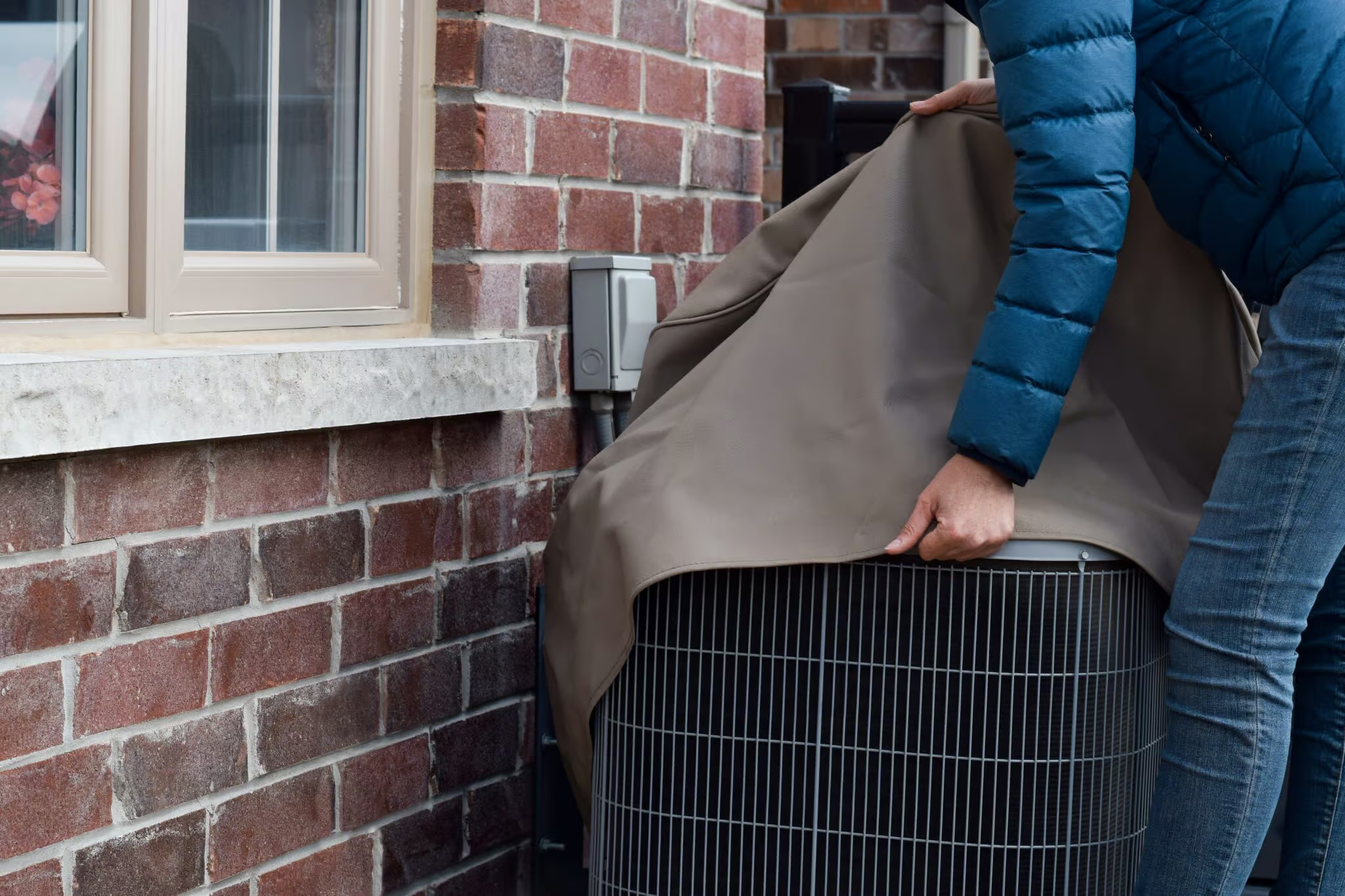
When summer heat parks over the San Fernando Valley, a new air conditioner can feel urgent. But many Tarzana replacements underperform because the job focuses on swapping equipment, not engineering comfort. Homes here range from ranches built in the mid-twentieth century with tight returns to newer builds with large west-facing windows, and attic temperatures can soar during installation season. If you size the system by guesswork, leave ducts undersized, or tuck the outdoor condenser into a hot corner, you can get short cycling, noisy airflow, and rooms that never quite cool. This article explains the practical steps that anchor a successful replacement: load calculation, duct and return design, condenser placement, and a few details that protect efficiency on day one.
If you are exploring air conditioning installation options in Tarzana, resist the urge to approve a replacement of the same size just because the old unit ran for years. Replacing a 3-ton system with a 4-ton unit can mask duct bottlenecks, spike static pressure, and cool the thermostat area while leaving a west-facing bedroom sweltering. In older ranch homes with a single undersized return and leaky flexible ductwork in the attic, increasing capacity often leads to short run times, humidity swings, and a louder blower, not better comfort.
-
When Replacing Equipment With the Same Size Backfires in Valley Homes
Tonnage is a result, not a starting point. Tarzana homes gain heat differently by orientation, glazing, shading, and insulation. A kitchen extension, low-E window upgrade, or added attic insulation can change the sensible and latent load dramatically from what it was when the last system was chosen. Replacing equipment with the same capacity without verifying the load can create mismatches: a unit that is too large will short-cycle and struggle with latent load, while a unit that is too small will run continuously during late-afternoon peaks. Both scenarios waste energy and wear parts such as the compressor and ECM blower motor faster than necessary.
-
Manual J and Manual D Shape the System, Not Guesswork
A proper Manual J load calculation accounts for orientation, window SHGC, insulation R values, air infiltration, occupancy, and internal gains. The output is a cooling load for each room that drives the equipment size and the cubic feet per minute each space needs. Manual D then uses that airflow target to size supply trunks and branches and plan return-air paths that keep external static pressure within the blower’s capability. In practice, this often means adding a second return, upsizing a return grille and filter rack, sealing joints with mastic, and replacing crushed flexible ductwork.
The tradeoff many homeowners face is simple: spend on bigger equipment or correct airflow. In a 1960s ranch with a single return measuring 14 by 20 inches and long supply runs measuring 6 inches in diameter, upsizing to 4 tons may cool the hallway quickly while bedrooms with insufficient airflow remain hot. Modest duct corrections and a larger return can let a properly sized 3-ton variable speed system run longer, quieter cycles with steadier temperatures and better dehumidification. Comfort follows airflow more reliably than it follows tonnage.
-
Placing the Condenser: Heat, Noise, and Airflow Clearances
The outdoor unit’s location influences capacity and longevity. Avoid narrow side yards where stucco walls radiate afternoon heat and trap discharge air; that recirculation forces higher head pressure and raises compressor amps. Follow manufacturer clearances around the coil and above the fan, keep shrubs pruned, and choose a level pad that drains. Don’t locate it near dryer vents or kitchen hoods that coat fins with lint and grease. If you mount the outdoor unit on the roof to avoid recirculation, plan for secure service access, a proper disconnect, refrigerant line supports, and a condensate routing plan for horizontal coils in an attic air handler.
-
Electrical Capacity, Refrigerant Lines, and a Clean Refrigerant Charge
Before installation day, confirm electrical details match the nameplate: breaker size, wire gauge, and a dedicated outdoor disconnect. If you’re moving from single-stage to two-stage or variable-speed cooling, make sure the thermostat can control the staging you’re paying for. On the refrigerant side, reusing existing refrigerant lines can be acceptable when they are the right diameter, pass a pressure test, and are thoroughly flushed; otherwise, replacement avoids contaminants and size mismatches. Long refrigerant lines may require additional factory charge and, per the manufacturer’s specifications, sometimes a crankcase heater; also consider capacity corrections when selecting a coil and condenser matched to AHRI standards.
Prepare the House for an Installation That Takes One Day During Peak Heat
Small steps make installation day smoother. Clear a path to the air handler or furnace, especially if it is in the attic, and protect items stored near the access hatch. Plan parking and gate codes, note pets that need a closed room, and expect short power interruptions for electrical work and thermostat setup. Attic work is often scheduled early to avoid conditions reaching 140 degrees, and a simple box fan can keep bedrooms tolerable while the system is offline. After startup, walk the home with the installer to confirm supply temperatures, check the condensate pan float switch, review filter sizes and MERV ratings, and learn how to set the thermostat’s circulation or dehumidification modes.
A reliable replacement starts with measurements: a Manual J load to choose tonnage, Manual D to move the right cubic feet per minute to each room, a condenser location with open airflow, and clean electrical and refrigerant practices that match manufacturer specifications. Those fundamentals matter more than brand names or a bigger number on the nameplate. Ask your installer how they sized the return, what the measured external static pressure is, whether the coil and condenser are an AHRI match, and how they verified the final charge. In Tarzana’s heat, those answers are what keep your home comfortable when the sun is at its worst.
