


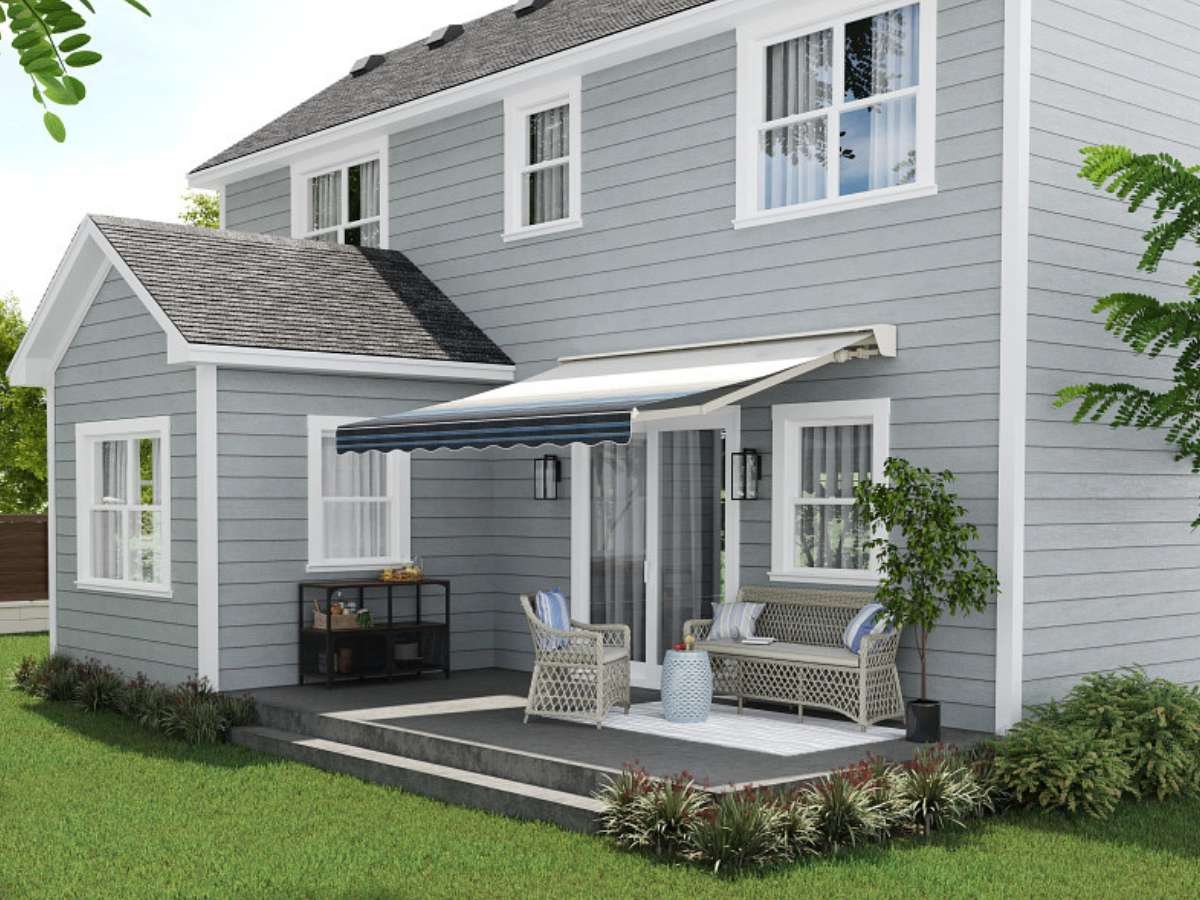
Awnings can turn a bright patio, shopfront, or garden seating area into usable space for more of the year, but coastal weather and building details make some choices smarter than others. Before picking fabric colors or remote controls, understand how wind exposure, your wall construction, and the path of the sun will influence cassette style, mounting height, projection, and even the type of brackets you need. Getting these decisions right helps the arms extend smoothly, sheds rain through proper pitch, and keeps the fabric clean and taut rather than flapping.
-
Map Your Sun, Wind, and Wall Conditions Before Choosing an Awning
Start with the sun. South and west elevations usually need a wider projection, a steeper pitch, or a drop-down valance to control low afternoon glare. Then consider the wind. Open corners and seafront streets funnel gusts that can strain folding arms and torsion bars, so size and controls should reflect exposure. Finally, check the wall. Solid brick or block can support appropriately specified mechanical or chemical anchors, while uPVC conservatories or timber-framed extensions may call for a freestanding frame or pergola awning instead of wall fixings.
Two quick scenarios illustrate why these basics matter. A terraced house with French doors might have a steel lintel behind the brickwork, limiting where brackets can be securely fixed. A cafe on a breezy corner may tolerate modest width but suffer with deep projection that catches the wind. For a closer look at regional offerings and specifications, explore awnings in Southampton to see how local installers approach these constraints in practice.
-
Match Cassette Style, Projection, and Operation to a Coastal Site
Full cassette awnings seal the fabric, roller tube, and arms inside a protective shell when retracted, shielding them from salt air and gull droppings. Semi-cassette and open designs cost less and weigh less, but the exposed fabric edge and elbows can weather faster near the coast. That is the tradeoff: extra protection and tidier lines versus lower weight and price. If you have limited mounting height or obstacles like soil pipes, a slim semi-cassette can help, but plan for a routine of brushing the fabric to keep it clean.
Projection is your second lever. Deeper projection gives more midday shade, but it increases the sail effect in gusts and demands extra mounting height to maintain headroom at the front bar. If the wall cannot provide that height, consider a pergola-style awning with front posts or choose a model with a drop valance to combat low sun without pushing projection. For operation, a manual crank is simple and reliable; a motor with a wind sensor adds automatic retraction when gusts pick up. On exposed sites, automation is less a luxury than a safeguard, although sensors cannot guarantee protection in every sudden gust.
-
Mounting Height, Pitch, and Bracket Spacing That Keep Water Flowing
Getting the wall fixings right is as important as the awning model. Brackets should be anchored into suitable structural material rather than soft mortar joints, with spacing that distributes loads according to the manufacturer’s requirements. On low eaves or bungalows, you may need spreader plates to distribute forces over more area. Measure the opening, then add width on both sides to reduce light gaps at the edges. Remember door and window clearance so the front bar never fouls when the awning retracts.
Pitch keeps showers moving off the fabric rather than pooling. A modest downward angle toward the front bar drains water, yet too much pitch can steal headroom above patio doors. That relationship between projection, height, and pitch is where many installations go wrong: mounting too low forces a shallow angle that can allow water to collect, while mounting too high can push the roller into a soffit. If in doubt, test with a chalk line across the wall to visualize the extended front bar height before drilling. Retractable awnings should still be retracted during heavy rain unless specifically rated for those conditions.
-
Fabrics and Hardware That Resist UV, Salt Air, and Staining
Solution-dyed acrylic is a popular awning fabric because its color runs through the yarn, not just on the surface, improving UV fade resistance. PVC-coated polyester sheds rain and stains well and is easy to wipe, though it can feel warmer under intense sun and may be noisier in wind. Light, neutral shades reflect heat and keep the space brighter; deeper tones cut glare and feel cooler to the eye but may make salt deposits more noticeable. Whichever you choose, a tight weave and a suitable water repellent treatment help water bead and dirt release during cleaning.
Frames and fasteners deserve equal attention. Powder-coated aluminum arms and front bars resist corrosion, while suitable grades of stainless steel fixings resist rust marks on masonry. End caps that seal the roller tube limit salt intrusion, and a properly designed cassette lip helps rain drip away from the wall. Avoid plain steel screws or uncoated brackets near the coast, which can stain brickwork and seize over time. A stitched valance is a nice touch for low sun, but ensure seams run to shed water, not catch it.
Smarter Controls and Everyday Use in Unpredictable Weather
Changeable weather favors simple controls that encourage good habits. A motor with a basic remote lets you retract the awning quickly if a squall approaches, and a wind sensor can do it automatically. A manual override on motorized units is sensible in case of a power cut, where the model supports one. If mornings are your prime use, a sun sensor can deploy the awning on bright days to shade the patio or storefront by the time you step outside.
Daily care is straightforward. Brush off leaves and sand before retracting so grit does not abrade the fabric inside the cassette. If a sudden shower soaks the canopy, extend it later to dry before long storage to discourage mildew. Clean with a soft brush and mild soap, rinsing gently, and avoid harsh pressure that can force water into seams. At season’s end, retract fully, clear the cassette lip, and check the bracket fixings for any movement so the awning starts next spring aligned and ready.
When you match the awning’s cassette style, projection, and controls to your sun and wind exposure, and mount it at a height and pitch that manage rain, you create reliable shade that looks good and works hard. A careful eye on wall type, bracket placement, and materials that resist corrosion keeps the installation steady and the fabric tidy through coastal seasons. Plan around these constraints first, then choose colors and extras, and your awning will earn its space on the wall for years of easy outdoor use.
