


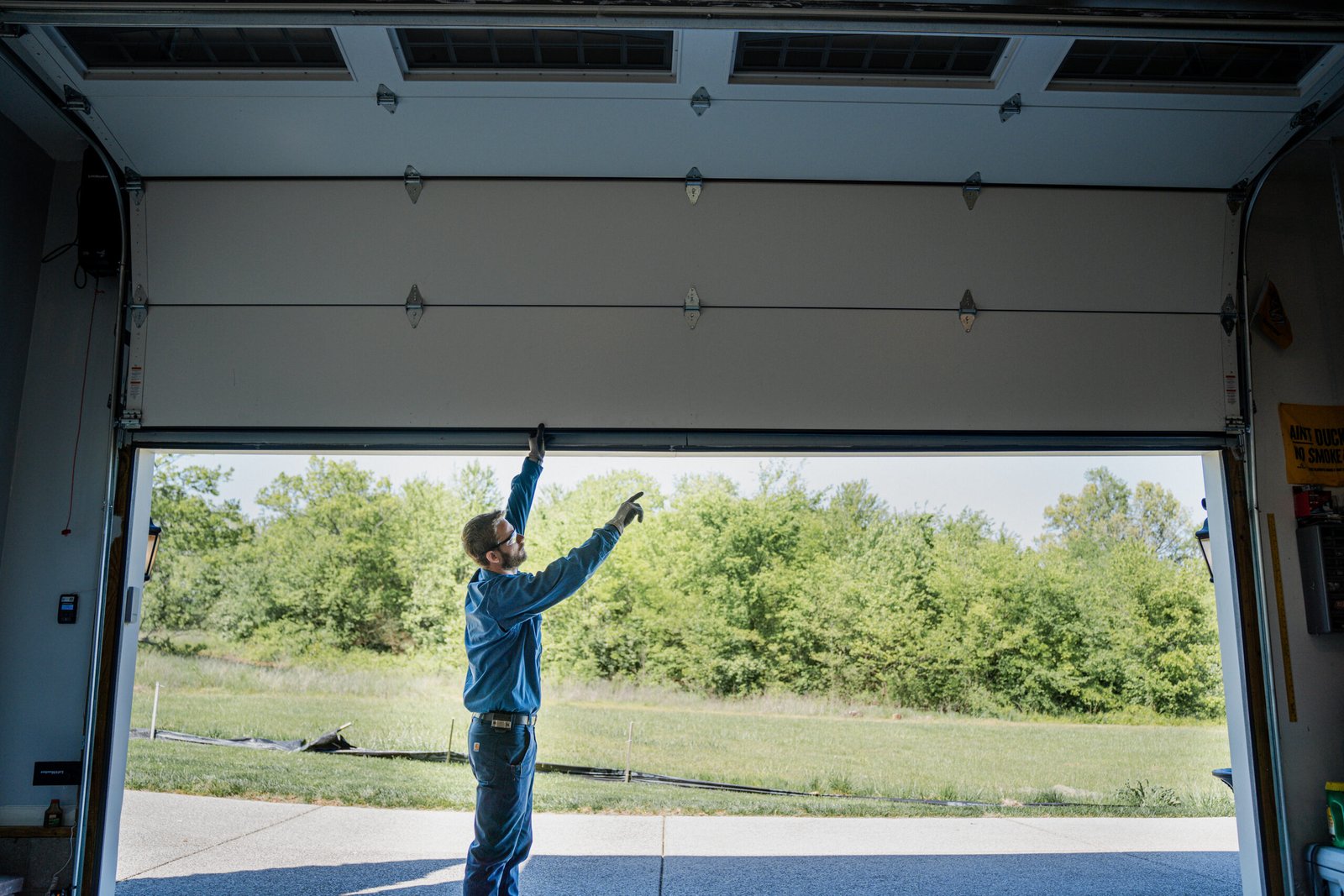
Few home frustrations feel as stubborn as a garage door that starts down, hesitates, and then moves back up. Modern openers are designed to reverse when they sense an obstacle or excessive resistance, so this behavior is usually a clue, not a mystery. By paying attention to specific symptoms and understanding what each part does, you can narrow the likely causes to safety sensors, travel and force settings, binding tracks, worn rollers, or loss of spring balance. This guide explains the telltale signs, safe checks you can perform yourself, and conditions that require a professional to address components under high tension.
-
Symptoms That Point to the Cause
Start with what you see and hear. If the opener’s courtesy light flashes immediately after a closing attempt and the door reverses before touching the floor, the safety sensors near the bottom of the tracks may be involved. Look for steady or blinking indicator lights on each sensor, signs that a bracket has shifted, or anything blocking the beam. Jerky movement, squealing at the same point in the track, or a door that appears tilted can suggest a roller, hinge, cable, or track problem rather than an electronic issue. Many communities have dedicated repair shops, such as Welborn Garage Door Repair of Mesquite, that can help when you need a professional diagnosis.
Two realistic patterns can help narrow the possibilities. In the first scenario, the door travels smoothly through most of its path, slows during the final few inches, and then reverses. This can involve travel settings, resistance near the floor, or a bottom seal pressing against an uneven surface. In the second scenario, the door begins closing, shudders halfway down, and reverses while the opener sounds strained. That behavior may point to mechanical resistance from worn rollers, a track problem, damaged hardware, or a cable issue that should be inspected carefully.
-
Matching Likely Causes to Each Symptom
Safety sensors are among the easiest components to inspect visually. Dust, cobwebs, glare, or a slight bump can move them out of alignment so the transmitter and receiver no longer communicate properly. When that happens, many openers allow the door to open normally but prevent normal closing. Cleaning the lenses and confirming that the sensor indicator lights show proper alignment may resolve the issue.
Reversals that happen at approximately the same point during every closing cycle may involve mechanical resistance. A bent track, damaged hinge, worn roller, or another alignment problem can increase resistance enough to activate the opener’s safety system.
Travel and force settings can also affect operation near the floor. The travel setting tells the opener where the closed position should be, while force sensitivity helps the opener detect unusual resistance. Incorrect settings can contribute to premature reversals, but increasing force should never be used to hide a mechanical problem. Excessive force can reduce the effectiveness of safety protections and create a greater risk of injury or property damage.
-
Safe Checks You Can Perform Before Calling for Help
With the door fully closed, you can disconnect the opener using the emergency release handle if the door appears stable and there are no visible cable or spring problems. Move the door carefully by hand. A properly functioning door should move relatively smoothly and should not suddenly drop or feel extremely heavy. If it drops, binds, becomes crooked, or feels unusually heavy, stop immediately and arrange professional service. These symptoms may indicate a spring, cable, or hardware problem that is unsafe to adjust without proper training.
Inspect accessible rollers, hinges, and tracks visually for obvious damage, debris, or loose parts. Do not loosen track brackets, cable hardware, drums, spring mounts, or other structural components to correct alignment yourself. Garage door systems store substantial mechanical energy, and seemingly minor adjustments can affect door balance.
Next, inspect the safety sensors. Make sure both sensor lenses are clean, unobstructed, and positioned according to the opener manufacturer’s instructions. If sunlight appears to interfere with one sensor, temporary shading can help determine whether glare is contributing to the problem.
If your opener manual provides instructions for minor travel setting adjustments, follow those instructions carefully and make only small changes. Do not increase closing force simply to make the door push through resistance.
After any adjustment, test the manufacturer-recommended safety reversal functions. If the door does not reverse correctly when required, stop using the automatic opener until you correct the safety issue.
Never bypass, cover, disconnect, or tape over safety sensors to force the door to close.
-
Stop and Call a Professional if You See These Conditions
Some findings are clear warning signs that should end homeowner troubleshooting.
A visible break or gap in a torsion spring, a cable that has slipped from its drum, frayed cables, a severely bent track, damaged brackets, or a door hanging unevenly all require professional attention. Springs and lift cables operate under substantial tension and can cause serious injury if released unexpectedly.
If the door feels dramatically heavier after disconnecting the opener, do not continue lifting it manually. Similarly, if the door binds, falls rapidly, twists in the opening, or makes loud mechanical sounds, stop operating it.
Do not attempt to wind springs, reposition cables on drums, loosen spring hardware, or repair structural track damage without the correct tools and training.
Problems inside the opener drive system may also require service. Grinding noises, damaged carriage components, or repeated motor strain can worsen if the opener continues trying to move a door with mechanical resistance.
Maintenance That Reduces Future Reversals
Preventive maintenance reduces unnecessary resistance and keeps safety components working properly. Keep sensor lenses clean, remove debris from accessible tracks, and periodically inspect rollers and hinges for visible wear.
Follow the garage door and opener manufacturer’s lubrication recommendations. Some rollers, hinges, bearings, and drive components may require specific lubricants, while other components should remain dry. Avoid spraying lubricant indiscriminately onto tracks, belts, sensors, or braking surfaces.
Inspect the bottom seal for tears, distortion, or sections that catch on the floor or threshold. A damaged seal can add resistance near the end of the closing cycle and may contribute to reversals.
Roller material can also affect noise and maintenance. Quality nylon rollers are often quieter, while certain steel rollers with sealed bearings may provide long service life. The appropriate choice depends on door weight, hardware design, usage, and manufacturer recommendations.
Most importantly, do not use travel or force settings to compensate for a door that is mechanically difficult to move. If manual operation reveals poor balance, binding, cable damage, or excessive weight, the underlying problem should be corrected before the opener is used again.
Periodic visual inspections and manufacturer recommended safety tests can help catch problems before they become larger repairs. Paying attention to symptoms, handling only low risk maintenance tasks, and stopping when spring, cable, or structural problems appear will help protect both the opener and the safety systems built into the garage door.
