


Rendering used to be the last thing you did. Model, shade, hit render, go home while the machine chugged through the night. A lot of artists don’t work that way anymore. Rendering has crept into the middle of the process now, not the end, and that changes the whole rhythm of a working day.
Near real-time rendering means you check lighting, materials, and composition constantly, not just once at the finish line. That’s a different way of making things entirely, and it puts very different pressure on whatever hardware happens to be sitting under it.
From Final Step to Constant Companion
Rendering used to get treated almost like a separate stage of production. You’d model and light a scene off rough previews, send it to render, and just hope the result matched what you’d pictured. If it didn’t, that meant another loop through the whole process. Another overnight wait. Another day gone.
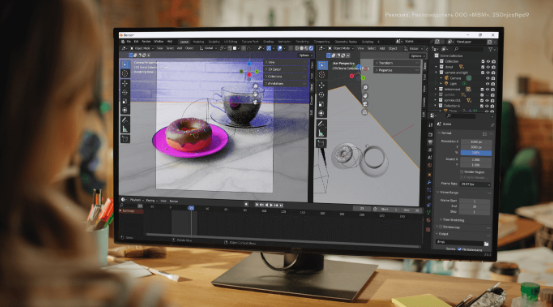
GPU renderers have mostly broken that pattern. You can watch a near-final quality preview update while you’re still working, adjusting lights and materials and seeing the change land almost instantly. That loop has genuinely changed how creative calls get made. You’re reacting to what’s actually in front of you instead of guessing at what a final render might eventually look like.
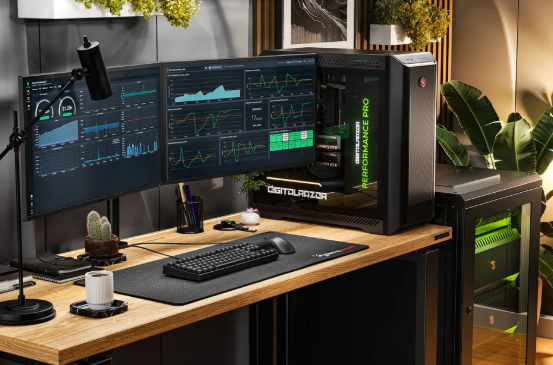
None of that responsiveness happens without real hardware behind it though, not a decent card bolted onto whatever machine was already lying around. A maxon zbrush workstation for professional 3D workflows is built for exactly this kind of sustained work, giving sculptors and 3D artists room to move between sculpting, detailing, and rendering without the constant stalls that break someone’s focus mid-thought.
Why This Actually Matters for the Work Itself
Making rendering continuous instead of a final step changes more than workflow speed. It changes the actual quality of what gets made.
- Lighting and material problems get caught early, while they’re still cheap to fix, instead of after a full render reveals something nobody saw coming
- Creative calls get made with real information in front of you, not guesswork off a rough viewport
- Iteration speeds up a lot, so you can try more variations of a shot in the same stretch of time
- Client feedback happens against something close to final quality, cutting down the miscommunication that comes from reviewing rough drafts
None of this holds up if the hardware can’t keep pace with what near-real-time rendering actually asks of a system.
What This Kind of Rendering Actually Demands
Rendering close to real time is a genuinely different technical problem than traditional overnight rendering. A few things end up mattering more than most people expect walking in.
GPU Memory Is the Real Limit
Complex scenes with heavy textures and dense geometry chew through GPU memory fast. Run out mid-session and you’re not looking at a slowdown. You’re looking at a crash, usually at the worst possible moment.
Performance That Actually Holds
A system that looks great for the first five minutes and then throttles under sustained heat hasn’t solved anything. Long sessions need hardware that stays steady for hours, not just for a quick demo.
CPU and GPU Actually Need to Balance
Modern pipelines lean on both processors, differently, depending on what you’re doing at any given moment. A great GPU paired with a weak CPU, or the reverse, just bottlenecks somewhere else, and figuring out which piece is actually the problem eats more time than most people expect.
Scaling Up for Studio-Level Work
Someone working solo on a personal project has different needs than a studio pushing final renders for client delivery. Studios often juggle real-time interactive rendering during the creative phase alongside heavier final-output rendering once a project’s closer to done.
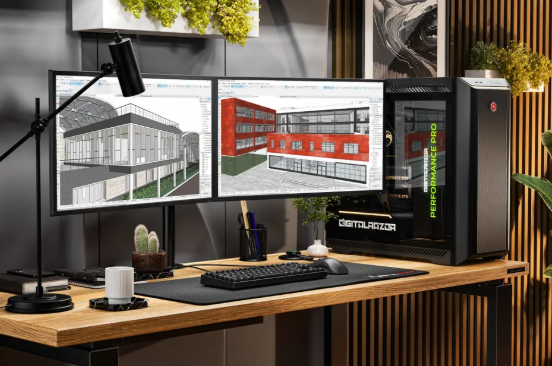
For studios and pros working with GPU-accelerated engines at that scale, a maxon redshift standard edition workstation is configured for exactly that, with GPU capacity and sustained performance built to carry a project from creative iteration all the way through to final, delivery-ready output.
The Real Payoff
When rendering stops being the bottleneck, something shifts in how people actually work. You test more ideas. You push lighting further than you would if every test cost real waiting time. You catch problems while there’s still room to fix them, instead of finding out in a final render with no time left on the clock.
That extra room to experiment shows up directly in the finished work, because more of your time goes toward actual decisions and less of it goes toward just waiting around for results.
Final Thoughts
Rendering has quietly moved from being the last step in a pipeline to being part of the process itself, and that shift asks a lot more of the hardware behind it than it used to. Systems built for sustained, real-time creative work aren’t a luxury anymore. For plenty of artists and studios, they’re what makes the modern way of working possible in the first place.
Artists and studios who treat their hardware as part of the creative toolkit, not background office equipment, tend to iterate faster and turn out more polished work with less waiting in between. That’s the thinking behind Cloud Ninjas, which builds workstations around what modern creative rendering actually demands instead of stretching general-purpose machines to cover work they were never built for.
