


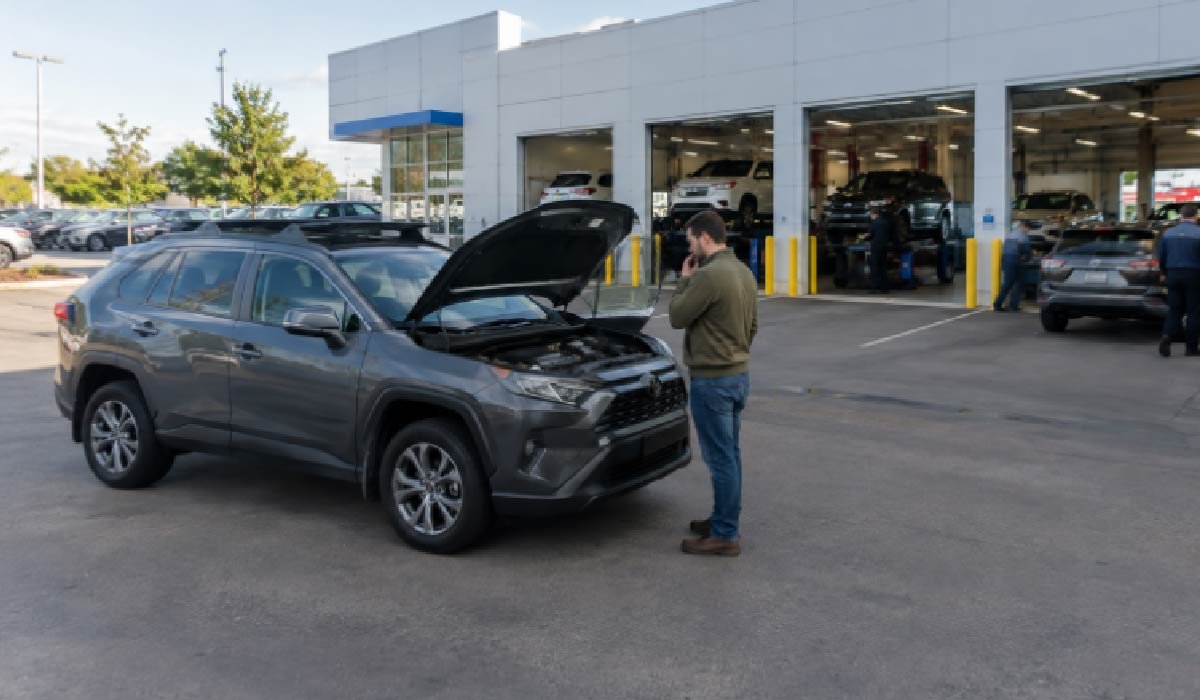
A new vehicle is supposed to deliver confidence, convenience, and dependable transportation. When it instead develops recurring warning lights, electrical failures, stalling, leaks, or safety-system issues, owners can quickly find themselves making repeated trips to the dealership without getting a lasting answer. For drivers considering their options, information about Cadillac lemon law claims may be relevant when a covered vehicle continues to have unresolved defects. The best response is organized and prompt. Protect your safety first, report each problem while warranty coverage is active, and treat every repair visit as part of a documented history. A recurring defect may involve a mechanical component, but it can also involve software, sensors, cameras, battery systems, connectivity, or other electronics.
Why New Vehicles Can Still Have Serious Problems
Factory testing and warranty coverage reduce risk, but neither guarantees that every vehicle will be trouble-free. Today’s vehicles combine mechanical systems with extensive software, digital displays, driver-assistance features, cameras, mobile phone integration, and over-the-air updates. A problem in any one of those systems can affect the ownership experience. Reliability concerns are not limited to inexpensive vehicles. The 2026 J.D. Power U.S. Vehicle Dependability Study reported an industry average of 204 problems per 100 vehicles among original owners of three-year-old vehicles. The study also identified infotainment as the most problematic category measured, which illustrates why a high purchase price does not ensure freedom from technology, electrical, powertrain, or other defects. Vehicle problems after three years of ownership are useful context, but broad rankings cannot predict the experience of one particular vehicle.
What Counts as a Repeated Vehicle Problem?
A recurring problem is generally one that returns after a repair, occurs across multiple service visits, or remains unresolved despite attempted repairs. It may be the same symptom each time, such as an intermittent check-engine light, or a group of related symptoms that point to one underlying defect.
- Recurring warning lights or dashboard messages
- Stalling, hesitation, loss of power, or failure to start
- Brake, steering, suspension, or transmission concerns
- Infotainment, navigation, connectivity, or display failures
- Battery, charging, wiring, or other electrical problems
- Water leaks, vibration, unusual noises, or persistent odors
- Camera, parking-assist, or driver-assistance malfunctions
A concern that initially appears minor can become more significant if it compromises safety, makes the vehicle unreliable, interferes with normal use, or undermines the vehicle’s value. Intermittent problems deserve documentation, too. A dealer’s inability to reproduce an issue during a single appointment does not prove the issue never occurred.
First Step: Make Sure the Vehicle Is Safe
- Stop driving and seek immediate guidance if the vehicle loses braking, steering, propulsion, or a critical safety function.
- Review the owner’s manual for the meaning of warning messages and recommended actions.
- Ask the dealership whether towing is appropriate rather than assuming the vehicle can be driven safely.
- Take photos or video of visible warning lights, leaks, damage, or operating symptoms before the vehicle is moved, when safe to do so.
- Save receipts for towing, rental transportation, and other expenses connected to the repair visit.
Check for Recalls, Complaints, and Manufacturer Communications
A recall is not the same as a warranty repair. A recall addresses a safety-related defect or failure to meet a federal motor vehicle safety standard, while a warranty repair concerns an issue covered under the vehicle’s warranty. A technical service bulletin, often called a TSB, is manufacturer guidance for diagnosing or repairing a condition. It does not necessarily mean there is a recall. Owners can use the VIN recall lookup tool to see whether a specific vehicle has an unrepaired recall. Searches by year, make, and model can also provide general information about recalls, investigations, owner complaints, and manufacturer communications. Recall remedies are generally provided without charge, but a vehicle may still have a recurring defect even when no recall has been announced.
Build a Strong Repair File
Start a dedicated paper or digital folder on the day the problem appears. Keep every repair order and invoice, even when the dealer says no fault was found. Each document should identify the date, mileage, reported symptoms, diagnosis, parts replaced, software updates performed, and whether the dealer verified the repair.
Details Worth Recording
- The weather, speed, road conditions, and driving circumstances when the problem occurred
- Photos or videos of warning messages, noises, leaks, or malfunctions
- Emails, texts, and written communications with the dealer or manufacturer
- The number of days the vehicle is unavailable because of diagnosis or repair
- The name of the service adviser and a copy of the work order before leaving the facility
Know the Difference Between a Repair and a Resolution
Replacing a part is not automatically a resolution. Ask the service department what caused the failure, which parts or software were changed, and how the repair was tested. Ask whether the repair was evaluated under the same conditions that caused the problem. If the condition returns, notify the dealer in writing and request that the new visit clearly reference the earlier repair history.
How Warranty Coverage and Consumer Rules May Apply
Factory warranties commonly impose time and mileage limits and may distinguish between manufacturing defects, maintenance items, normal wear, and damage caused by outside factors. Review the warranty booklet and the owner’s manual, and report any concerns before the applicable coverage expires. Keep proof that the concern was reported, even if the final repair happens later. State lemon laws vary, but common considerations include the seriousness of the defect, the number of repair opportunities, the total time out of service, and whether the issue substantially affects the vehicle’s use, value, or safety. Federal warranty protections may also be relevant in some disputes. Before accepting a settlement, trading in the vehicle, or signing a release, review the consequences carefully and consider qualified legal guidance.
Questions to Ask at the Dealership
- What is the diagnosed cause of the problem?
- What parts, calibrations, or software updates were used?
- Is there a related recall, service bulletin, or manufacturer communication?
- How was the repair verified?
- Will the repair be covered by the warranty?
- Can the dealership provide these details on the repair order?
A Simple Action Plan
Put safety first, report the defect promptly, request detailed repair records, check for recalls, and track every repair attempt and day out of service. Do not rely only on social-media posts or verbal assurances. A complete written record helps show the pattern of a recurring problem. It places an owner in a stronger position to pursue a fair resolution if dealership repairs do not resolve the issue.
Conclusion
A recurring problem with a new vehicle can be frustrating, but taking organized steps early can make the situation easier to manage. Put safety first, report defects promptly, and keep detailed records of every repair attempt, communication, expense, and day the vehicle is out of service. Checking for recalls and understanding the difference between recalls, warranty repairs, technical service bulletins, and lemon law protections can also help clarify the available options. Because consumer-protection laws and deadlines vary by state, owners should review the rules that apply to their situation before making major decisions. A complete repair history can provide useful evidence when a problem continues despite repeated attempts to fix it and can help owners pursue an appropriate resolution.
