


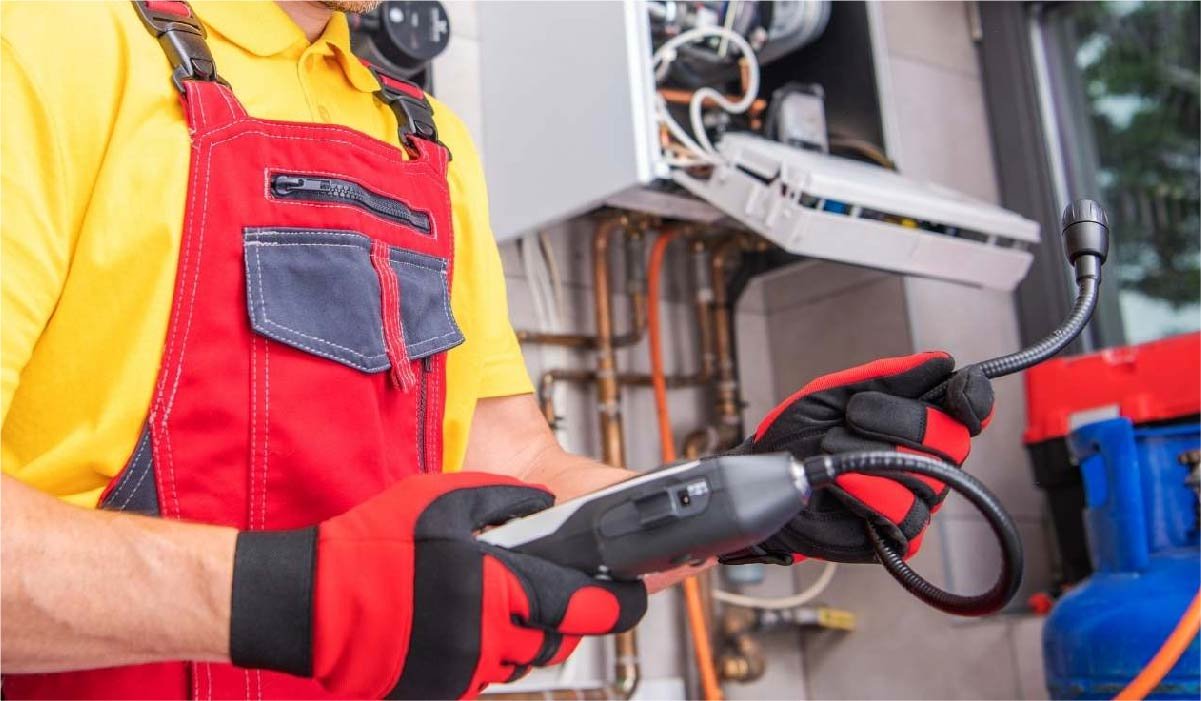
A dependable heating system is an important part of maintaining a comfortable and functional property during colder periods. Although modern heating equipment is designed to operate reliably for many years, regular use can gradually affect mechanical components, electrical connections, airflow, controls, and other parts of the system. Problems may begin with subtle changes, such as uneven temperatures, unusual sounds, longer operating cycles, or reduced airflow, before developing into more noticeable performance issues. Paying attention to these changes can help property owners respond before a minor concern becomes a larger disruption. Professional service is especially valuable because heating equipment involves components that require appropriate diagnostic procedures and safety considerations. A qualified technician can evaluate the system, identify potential causes of poor performance, and determine what type of service may be appropriate. Whether the issue involves a worn component, restricted airflow, faulty controls, or another mechanical concern, timely attention can help restore dependable operation and support the system’s overall service life.
Recognizing Changes in Heating Performance
Heating problems do not always appear as an immediate complete failure. In many cases, the first indication is a gradual change in how the system operates. A property owner may notice that certain rooms are colder than usual, the equipment runs for longer periods, or the thermostat seems unable to maintain the desired temperature. Other warning signs can include unusual noises, inconsistent airflow, repeated cycling, unexpected odors, or changes in normal operating patterns. These symptoms can have multiple possible causes, so identifying the exact issue requires more than simply observing the thermostat. A professional inspection can help determine whether the concern involves airflow, electrical components, controls, mechanical parts, or another part of the heating system.Responding to performance changes early can provide practical advantages. When a problem is addressed while the equipment is still operating, a technician may have more information available about the system’s behavior than after a complete breakdown. Early evaluation can also help property owners understand whether a repair is relatively straightforward or whether a larger component requires attention. Ignoring unusual behavior may allow an underlying issue to continue developing, potentially affecting additional components. Regular awareness of system performance therefore forms an important part of responsible heating equipment care.
Common Causes of Heating Problems
Heating systems contain numerous components that work together to produce and distribute conditioned air. Over time, individual parts can experience normal wear, dirt accumulation, electrical problems, airflow restrictions, or mechanical deterioration. Filters can become clogged and restrict airflow, while blower components may accumulate debris or experience mechanical wear. Thermostats and other controls can also develop issues that affect how the system starts, stops, or maintains temperature. In some systems, ignition or fuel-related components require specialized inspection because improper operation can affect both performance and safety.The age and usage history of equipment can also influence the type of problems that develop. Older systems may have components that have experienced years of repeated operation, while heavily used equipment can experience greater mechanical stress. Poor airflow, inadequate maintenance, and installation-related concerns may contribute to premature wear as well. Because different heating systems use different technologies and components, a symptom that appears similar from the homeowner’s perspective can have very different causes. Professional diagnosis helps prevent assumptions and allows repairs to be based on actual system conditions.
The Importance of Professional Diagnosis
Accurate diagnosis is one of the most important parts of effective heating service. Replacing a component without determining the underlying cause may not solve the problem if another issue is responsible for the symptom. For example, reduced airflow could be related to a filter, blower, duct restriction, or another system condition. Similarly, frequent cycling may involve thermostat settings, airflow, equipment controls, or other factors. A qualified HVAC professional can inspect relevant components, perform appropriate tests, and use system-specific knowledge to narrow down the cause.Professional diagnosis can also help property owners understand the urgency of a problem. Some issues may require prompt attention because they affect safe operation, while others may primarily influence comfort or efficiency. Understanding the distinction can help homeowners prioritize service appropriately. A technician can explain what was found, which components are affected, what repair options may exist, and whether additional concerns should be monitored. This communication is useful because it allows property owners to make decisions based on the actual condition of their equipment rather than assumptions about what might be wrong.
How Airflow Affects Heating Performance
Airflow is essential to the operation of many heating systems. Even when the heating equipment itself is functioning correctly, restricted or inadequate airflow can reduce comfort and place additional stress on the system. Dirty filters, blocked return pathways, obstructed registers, duct restrictions, or blower-related concerns can interfere with the movement of heated air throughout a property. Occupants may notice that certain rooms remain colder, the system operates for longer periods, or airflow from vents feels weaker than normal.Maintaining appropriate airflow requires attention to the complete distribution system. Filters should be replaced or maintained according to manufacturer recommendations and property conditions. Registers and returns should remain unobstructed, and significant airflowchanges should be evaluated rather than ignored. During professional service, technicians can inspect relevant airflow components and determine whether restrictions or equipment problems are contributing to poor performance. Addressing airflow concerns can support more consistent temperature distribution and help the heating system operate under appropriate conditions.
Electrical and Mechanical Components
Heating equipment relies on electrical and mechanical components that must operate together correctly. Connections, motors, switches, controls, capacitors, relays, and other components may experience wear or failure over time, depending on the type of system. Mechanical parts can also deteriorate through repeated operation. When these components begin performing outside their normal range, the system may produce unusual sounds, cycle incorrectly, fail to start, or provide inconsistent heating. Some problems can be difficult to identify without proper diagnostic equipment.Because electrical and mechanical systems can involve safety risks, professional evaluation is important when these components are suspected of malfunctioning. Homeowners should generally avoid attempting complex electrical repairs or disassembling equipment without appropriate training. A qualified technician can inspect the relevant components, test system operation, and determine whether repair or replacement is appropriate. Addressing these concerns professionally helps ensure that the work is performed according to equipment requirements and applicable safety practices.
Maintaining Safe Heating Operation
Safety should remain a central consideration whenever heating equipment develops a problem. Different heating systems have different safety considerations depending on their fuel source, design, and components. Problems involving combustion, electrical connections, ventilation, or safety controls can require specialized attention. If unusual odors, repeated safety shutdowns, visible damage, or other concerning conditions occur, professional evaluation should be sought rather than attempting an improvised repair.Routine maintenance can also support safe operation by providing opportunities to inspect components before problems become more serious. Technicians can evaluate equipment-specific safety controls and identify conditions that may require attention. Homeowners can contribute by keeping equipment areas accessible, following manufacturer instructions, and responding to unusual operating conditions promptly. Good maintenance practices do not eliminate all risks, but they can help keep important concerns from remaining unnoticed.
Repair Versus Equipment Replacement
When a heating system develops a problem, property owners may wonder whether repairing the existing equipment or replacing it would make more sense. The answer depends on factors such as equipment age, repair requirements, operating condition, maintenance history, efficiency, availability of replacement parts, and the expected future needs of the property. A relatively newer system with a manageable component issue may be a practical candidate for repair, while an older system with repeated major failures may require a broader evaluation.Professional advice can help homeowners understand the condition of the existing system without assuming that replacement is automatically necessary. A technician can explain the nature of the problem and whether other components show signs of deterioration. Property owners can then consider the immediate repair cost alongside longer-term operating expectations and future maintenance needs. Making this decision based on equipment condition and documented information can reduce the likelihood of making a rushed choice during an emergency.
Preventing Recurring Heating Problems
A repair can restore operation, but preventing recurring problems often requires addressing the conditions that contributed to the original issue. If a component failed because of excessive strain, restricted airflow, poor maintenance, or another underlying condition, simply replacing the damaged part may not fully resolve the situation. Professional diagnosis should therefore consider why the problem occurred as well as which component is currently malfunctioning. This approach can help reduce the possibility of repeated service calls for the same underlying concern.Consistent maintenance also supports prevention. Filters should be monitored, equipment should receive appropriate professional inspections, and changes in performance should be addressed promptly. Property owners can keep records of repairs and maintenance visits so that technicians have useful information about previous problems. A documented history can make it easier to recognize recurring patterns and determine whether a particular component or operating condition deserves additional attention.
Preparing for Seasonal Heating Demand
Heating systems often experience increased operating demands during colder periods, making preparation particularly useful. Scheduling professional maintenance before heavy seasonal use provides an opportunity to identify concerns while there is still time to address them. Technicians can evaluate system operation, inspect relevant components, and identify maintenance or repair needs. Preparing equipment in advance can also help property owners avoid discovering a serious problem only after the system is needed for extended periods.Seasonal preparation should be supported by responsible everyday operation. Homeowners can keep filters maintained, avoid blocking vents, monitor thermostat behavior, and pay attention to unusual sounds or changes in performance. If the system begins behaving differently from normal, professional evaluation can determine whether the change is harmless or requires attention. This proactive approach can make heating management more predictable and help protect comfort when demand increases.
Supporting Long-Term Heating Reliability
Long-term heating reliability depends on more than responding to individual failures. Equipment condition, installation quality, maintenance history, airflow, usage patterns, and operating environment all influence performance. Regular professional inspections can provide useful information about these factors and help property owners identify maintenance needs before they become major disruptions. Keeping the surrounding equipment area clean and accessible can also make inspections and service easier.A consistent relationship with a qualified HVAC professional can provide additional value because technicians who understand a property’s equipment history may recognize changes more quickly. Service records can show when components were repaired, when maintenance was completed, and whether recurring concerns have appeared. This information can support better decisions over time, particularly as equipment becomes older and repair or replacement considerations become more important.
Choosing Reliable Heating Service
When heating equipment requires attention, selecting a qualified service provider is an important part of the process. Property owners can consider the technician’s experience, service capabilities, communication practices, and familiarity with the type of heating equipment installed. A thorough service provider should focus on diagnosis rather than simply replacing parts based on assumptions. Clear explanations of the problem and available repair options can also help homeowners understand what work is being recommended.Professional heating service should address both the immediate concern and the broader condition of the equipment when appropriate. A detailed evaluation can identify related issues that may influence system performance or contribute to future problems. This comprehensive approach helps property owners make informed decisions about repairs and ongoing maintenance. Instead of treating each failure as an isolated event, homeowners can use professional service as part of a broader strategy for maintaining dependable indoor comfort.
Conclusion
A reliable heating system requires regular attention because even well-designed equipment can experience wear, airflow restrictions, electrical problems, mechanical issues, and other changes over time. Professional heating system repair can restore equipment performance when a component develops a problem, while accurate diagnosis helps identify the underlying cause rather than simply addressing a visible symptom. Prompt attention to unusual sounds, inconsistent temperatures, weak airflow, repeated cycling, or other changes can help property owners respond before a developing concern creates a larger disruption.Preventive maintenance remains equally important because it provides opportunities to inspect equipment, maintain airflow, identify developing problems, and understand the condition of aging components. Homeowners can support this process by following manufacturer recommendations, maintaining filters, keeping equipment areas accessible, and scheduling professional inspections as appropriate. With consistent care and timely service, heating equipment can remain a dependable part of a property’s comfort system while giving homeowners greater insight into repair needs, maintenance priorities, and long-term equipment planning.
