


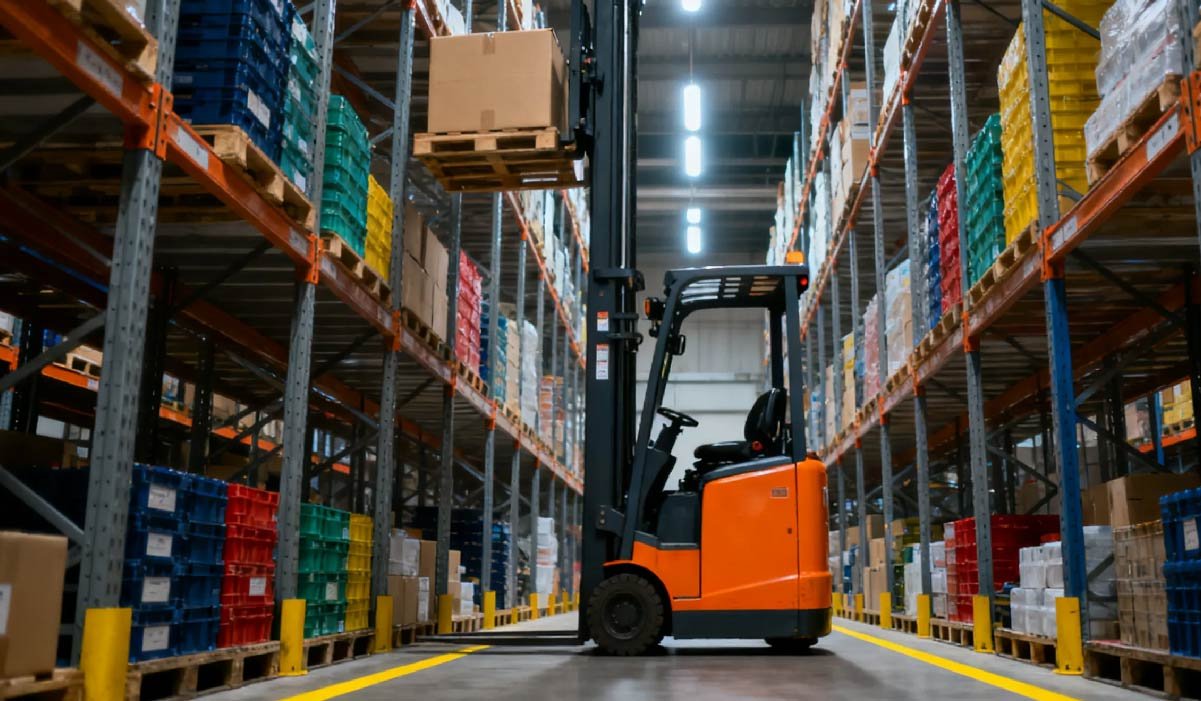
Forklifts are essential assets in many workplaces where materials must be lifted, transported, stacked, loaded, and unloaded efficiently. Their ability to perform these demanding tasks depends on much more than engine power or lifting capacity. Every forklift contains numerous interconnected components that contribute to steering, braking, lifting, stability, operator control, and overall productivity. When one component begins to deteriorate, the effect can extend beyond a single mechanical function and influence the performance of the entire machine. For this reason, businesses that depend on forklifts should treat component care as an important part of fleet management rather than waiting until a major breakdown occurs. Understanding the role of Forklift parts can help fleet managers, maintenance teams, and equipment operators make more informed decisions about inspections, repairs, replacements, and long-term equipment reliability.
Understanding the Role of Individual Components
A forklift operates as a coordinated system in which mechanical, hydraulic, electrical, and structural components work together. The lifting mechanism depends on hydraulic pressure, the mast and carriage must move smoothly, the steering system must respond predictably, and the braking system must provide controlled stopping. Tires, wheels, seats, controls, lights, safety devices, and other components also contribute to practical operation. Because these systems interact with one another, a problem that appears relatively minor can sometimes create additional stress elsewhere in the equipment. A worn component may force another part to work harder, while an electrical or hydraulic issue can affect several functions simultaneously. Recognizing these relationships allows businesses to approach maintenance more strategically and reduces the likelihood of treating recurring symptoms without identifying the underlying cause.
Recognizing Signs of Component Wear
Operators are often among the first people to notice changes in forklift performance because they work directly with the equipment during daily operations. Unusual noises, vibration, reduced lifting performance, inconsistent steering, delayed responses, fluid leaks, damaged tires, or changes in braking behavior can all indicate that inspection is needed. Some problems develop gradually and may initially seem insignificant, but ignoring them can allow wear to progress. A small hydraulic leak, for example, can become more difficult to manage if seals, hoses, or connected components continue operating under unfavorable conditions. Similarly, unusual sounds may indicate friction, looseness, or wear that deserves professional attention. Encouraging operators to report changes promptly gives maintenance personnel an opportunity to investigate before a minor concern develops into a more disruptive equipment problem.
Matching Components to Equipment Requirements
Replacement components should always be selected according to the specific forklift and its operating requirements. Forklifts vary by manufacturer, model, capacity, power source, mast configuration, and application, so a component that appears similar may not necessarily be an appropriate replacement. Incorrect components can affect fit, performance, durability, and safe operation. Maintenance personnel should verify equipment information before ordering or installing replacements and should consider manufacturer specifications and applicable service recommendations. Maintaining accurate records of equipment models, serial numbers, previous repairs, and component replacements can make this process easier. A well-organized parts identification system also helps reduce delays because technicians can determine what is required without repeatedly searching for basic equipment information.
Supporting Preventive Maintenance
Preventive maintenance provides an opportunity to identify deteriorating components before they cause unexpected downtime. Instead of waiting for equipment to stop functioning, businesses can establish inspection schedules based on operating conditions, manufacturer guidance, usage levels, and maintenance history. Routine inspections may involve checking visible wear, fluid levels, tires, hoses, connections, controls, lifting components, brakes, and other important systems. More detailed inspections can be performed by qualified technicians who understand how different components interact within the forklift. This approach can help businesses identify developing problems while repairs are still manageable. Preventive maintenance also creates useful records that can reveal patterns over time, helping fleet managers recognize which equipment requires more frequent attention or may be approaching the later stages of its service life.
The Importance of Hydraulic Components
Hydraulic systems play a central role in many forklift operations because they provide the force required for lifting and positioning loads. Hydraulic hoses, fittings, seals, pumps, cylinders, valves, and related components must work together to maintain proper pressure and controlled movement. Leaks, damaged hoses, contaminated fluid, worn seals, or other hydraulic problems can reduce lifting performance and create operational concerns. Because hydraulic systems operate under pressure, maintenance should be performed using appropriate procedures and qualified personnel. Regular inspection can help identify leaks, damage, and unusual performance before the problem becomes more serious. Keeping hydraulic components in appropriate condition supports smoother lifting operations and helps prevent unnecessary stress on other parts of the lifting system.
Electrical and Control System Considerations
Modern forklifts can include sophisticated electrical systems that support starting, charging, instrumentation, controls, safety features, lighting, monitoring, and other functions. Battery-powered equipment has additional electrical and charging requirements that need consistent attention. Connections, cables, switches, displays, sensors, and other electrical components can deteriorate through age, contamination, physical damage, or improper handling. Electrical problems may sometimes appear as intermittent faults, making accurate diagnosis particularly important. Rather than replacing components based solely on symptoms, technicians can inspect the system and identify the actual source of the problem. Proper troubleshooting helps prevent unnecessary replacement costs while ensuring that important control and safety functions remain dependable.
Tires, Wheels, and Stability
The condition of tires and wheels deserves regular attention because they directly affect how a forklift moves and responds to the working environment. Damaged, excessively worn, improperly inflated, or unsuitable tires can influence traction, steering, ride quality, and stability. The appropriate tire type can also depend on the surface and operating environment in which the equipment is used. Because forklifts frequently carry heavy loads, the condition of tires and wheels should not be treated as a minor cosmetic concern. Inspections should look for visible damage, unusual wear patterns, embedded objects, and other conditions that could affect operation. Addressing tire and wheel concerns promptly can support predictable equipment movement and help reduce avoidable interruptions during daily work.
Maintaining the Mast and Lifting Assembly
The mast and lifting assembly are among the most important mechanical areas of a forklift because they handle the physical movement of loads. Chains, rollers, bearings, carriage components, forks, cylinders, and related hardware all contribute to lifting performance. Wear in one area can affect movement elsewhere, particularly when the equipment is used frequently or exposed to demanding conditions. Forks should be inspected for damage, excessive wear, deformation, or other conditions that could affect their ability to handle loads appropriately. The mast should also be evaluated for unusual movement, damage, or signs of wear. Maintenance professionals can assess these components and determine whether adjustment, repair, lubrication, or replacement is appropriate based on the equipment’s condition.
Reducing Downtime Through Better Planning
Unexpected forklift downtime can affect more than the machine itself. When equipment becomes unavailable, employees may have to wait, workloads can accumulate, schedules may be disrupted, and businesses may need to find temporary alternatives. A well-planned component management strategy can reduce some of these avoidable interruptions. Businesses can maintain records of frequently replaced items, monitor equipment usage, establish inspection schedules, and identify critical components that may require faster access. Keeping appropriate inventory information also helps maintenance teams understand which replacements are commonly required. Instead of reacting to every failure as an isolated event, fleet managers can use historical information to develop a more predictable approach to maintenance and equipment availability.
Choosing Quality Over Short-Term Convenience
Cost is naturally an important consideration when replacing equipment components, but the lowest initial price does not always represent the complete financial picture. A replacement that does not perform reliably may lead to repeated repairs, additional labor, equipment downtime, or premature replacement. Businesses should consider compatibility, quality, expected service life, installation requirements, and the operating demands placed on the equipment. Reliable components can contribute to consistent performance when they are correctly selected and installed. This does not mean every situation requires the most expensive option; rather, purchasing decisions should be based on the actual requirements of the equipment and the operational consequences of component failure.
Working With Experienced Service Professionals
Professional support can be valuable when a forklift develops a problem that cannot be accurately diagnosed through basic inspection. Experienced technicians can examine mechanical, hydraulic, electrical, and structural systems to determine what is causing a performance issue. They can also help identify related concerns that may not be immediately visible to an operator. Professional service is particularly useful when a repair involves complex systems, specialized components, or safety-critical equipment. By combining technical knowledge with appropriate diagnostic procedures, service professionals can help businesses avoid unnecessary component changes and address problems according to the actual condition of the machine. This can make maintenance more organized while supporting longer-term fleet reliability.
Building a More Organized Replacement Strategy
Businesses that operate multiple forklifts can benefit from treating replacement planning as part of overall fleet management. Each machine can have its own maintenance history, inspection records, component replacement dates, and service notes. Reviewing this information periodically can help identify equipment that experiences recurring problems or requires unusually frequent repairs. Managers can then determine whether additional maintenance, operator training, changes in operating practices, or equipment replacement should be considered. A structured replacement strategy also makes budgeting easier because businesses have better information about expected maintenance requirements. Rather than being surprised by every component failure, management can anticipate common needs and allocate resources more effectively.
Extending Equipment Life Through Consistent Care
Forklift longevity is influenced by how equipment is operated, maintained, inspected, and repaired throughout its service life. Even durable machines can experience accelerated wear when they are overloaded, operated improperly, exposed to unsuitable conditions, or neglected between service intervals. Consistent maintenance helps preserve the condition of important systems and gives technicians opportunities to identify developing concerns. Operators also contribute to equipment longevity by following proper operating procedures, performing required pre-use checks, and reporting problems rather than continuing to use equipment that appears abnormal. When maintenance and responsible operation are combined, businesses can create a more dependable environment for their material handling fleet.
Creating a Reliable Equipment Management Routine
A dependable forklift management program should connect daily inspections, scheduled maintenance, professional repairs, replacement planning, operator communication, and accurate recordkeeping. These activities work best when they are treated as parts of one continuous process rather than separate responsibilities. Operators can provide information about performance changes, maintenance teams can document inspections and repairs, and managers can use those records to make informed decisions about fleet requirements. This coordinated approach can also improve communication because everyone involved has access to clearer information about equipment condition. Over time, consistent documentation can reveal maintenance trends and support decisions about repair frequency, replacement timing, and future equipment investment.
Conclusion
Reliable forklift performance depends on the condition of the complete machine and the quality of the components supporting its operation. From hydraulic systems and lifting assemblies to tires, electrical controls, braking systems, and structural elements, every component has a role in keeping equipment productive and dependable. Businesses can strengthen fleet reliability by recognizing early warning signs, selecting compatible replacements, following preventive maintenance schedules, and working with qualified professionals when specialized diagnosis or repairs are required. A proactive approach to forklift parts can also help organizations manage downtime, control maintenance costs, and make better long-term equipment decisions. When component care becomes a consistent part of fleet management rather than an emergency response, businesses are better positioned to maintain dependable material handling operations and get productive service from their equipment over time. Regular inspection, accurate records, responsible operation, and timely replacement together create a practical foundation for maintaining forklift performance throughout the equipment’s working life.
