


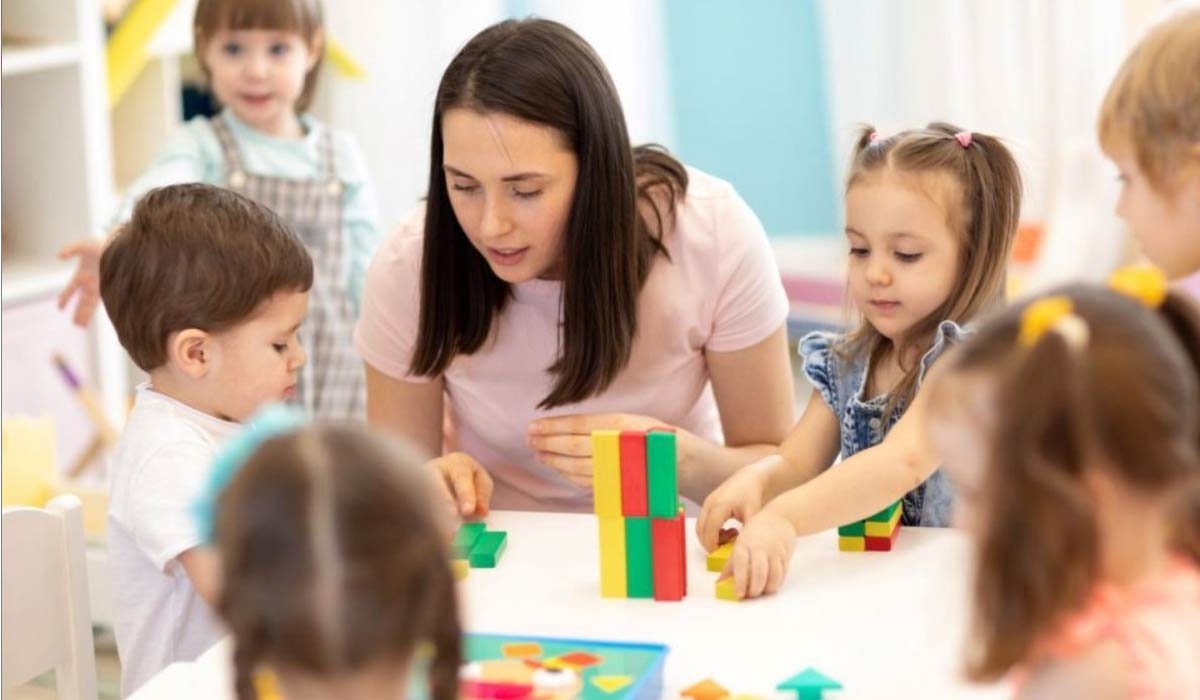
Children may sometimes engage in behaviors that make communication, learning, social interaction, or everyday activities more difficult. These behaviors can occur for many different reasons, including frustration, difficulty communicating, sensory experiences, changes in routine, or challenges with completing a particular activity. Rather than focusing only on stopping a challenging behavior, effective support can help children learn appropriate alternatives that allow them to communicate their needs and respond successfully. These skills can promote greater independence, confidence, emotional regulation, and participation in daily routines. Understanding teaching replacement behaviors can help parents, caregivers, educators, and professionals create practical strategies that focus on meaningful skill development.
Understanding Alternative Skills
A replacement behavior is an appropriate skill that can be taught as an alternative to a behavior that interferes with communication, learning, safety, or participation. The new skill should ideally provide the child with a practical way to achieve a similar outcome to the original behavior. For example, a child who leaves a difficult activity may learn to request a break, while a child who cries for assistance may learn to ask for help. The purpose is not simply to make a child behave differently but to give the child a functional and understandable alternative. Effective teaching replacement behaviors focuses on building useful skills that can improve communication, participation, and independence.
Why Alternative Responses Matter
Children need reliable ways to communicate their wants, needs, preferences, and feelings. When a child does not have an effective communication strategy, challenging behavior may sometimes become the easiest available way to express a need or influence a situation. Simply stopping the behavior without providing another option may leave the child frustrated and without a way to communicate. Teaching an appropriate alternative gives the child another response that can be used when the same need occurs. Teaching replacement behaviors can therefore shift intervention toward skill development rather than focusing exclusively on reducing behaviors that adults find difficult.
Understanding the Purpose of Behavior
Before choosing an alternative response, it is important to understand the possible purpose of the existing behavior. A child may engage in a behavior to gain attention, obtain a preferred item, escape a difficult activity, request assistance, communicate discomfort, or respond to an overwhelming situation. Observing what happens before and after the behavior can help identify patterns that may provide useful information about its function. The same behavior can have different purposes for different children, so it is important to consider individual circumstances. When teaching replacement behaviors, understanding the likely function can help adults choose an alternative that genuinely meets the child’s needs.
Choosing a Practical Alternative
An appropriate replacement skill should match the child’s communication abilities, developmental level, physical abilities, preferences, and daily circumstances. A child with limited spoken language may benefit from a gesture, picture, sign, or communication device rather than being expected to provide a complex verbal response. The alternative should also be available during the situations in which the challenging behavior usually occurs. If the replacement is too difficult or requires too many steps, the child may continue relying on the original behavior because it is more familiar or efficient. Successful teaching replacement behaviors involve selecting alternatives that are realistic, understandable, functional, and accessible.
Developing Functional Communication
Functional communication is an important component of teaching children appropriate responses. A child may need to learn how to request an item, ask for help, reject something appropriately, request a break, express discomfort, or communicate a preference. Communication can involve speech, gestures, signs, pictures, written words, or assistive communication systems depending on the child’s needs. The goal should be to provide a reliable way for the child to express meaningful information. Teaching replacement behaviors through functional communication can give children greater control over their daily experiences while reducing the need to rely on challenging behaviors as a form of communication.
Teaching Children to Ask for Help
Asking for help can be particularly valuable for children who become frustrated when they cannot complete a task independently. Without an appropriate help request, a child might throw materials, cry, refuse the task, leave the activity, or engage in another challenging response. Adults can teach a simple and accessible method for requesting assistance and practice it during activities that are appropriately challenging. Prompts can be provided initially when necessary, followed by gradual reduction of support as the child develops greater confidence. Teaching replacement behaviors that include appropriate help requests can help children remain engaged with tasks while learning that communication is an effective way to receive assistance.
Teaching Appropriate Break Requests
Some activities can become tiring, frustrating, overwhelming, or difficult for children. An appropriate break request can provide a functional way for the child to communicate that temporary relief is needed. The response might involve spoken language, a picture, a gesture, a sign, or another established communication method. Adults can introduce the skill during calm situations and practice it before expecting the child to use it independently during challenging moments. Teaching replacement behaviors that include break requests can help children communicate their needs without relying on sudden refusal, leaving the area, or other disruptive responses.
Using Positive Reinforcement
Positive reinforcement can support the development of new skills by making appropriate responses meaningful to the child. When the child uses the replacement response, an appropriate consequence can follow that supports the purpose of the skill. For example, a child who asks for help can receive appropriate assistance, while a child who appropriately requests a break can receive a planned break when suitable. Reinforcement should be individualized because children have different interests and preferences. During teaching replacement behaviors, consistent and meaningful reinforcement can help children learn that the new response is an effective way to communicate and respond to everyday situations.
Keeping New Skills Simple
A replacement skill should be simple enough for the child to use when the need arises. If the response requires several complicated steps, lengthy language, or abilities the child has not yet developed, the child may return to the original behavior. Adults can begin with a simple response and gradually build complexity as the child develops greater skill. Visual support, modeling, gestures, and repetition can also make the learning process easier. Effective teaching replacement behaviors requires consideration of how easily a child can use the new response during real situations, especially when the child is frustrated or emotionally overwhelmed.
Using Prompts Effectively
Prompts can help children understand what response is expected while they are learning a new skill. A prompt may involve a verbal reminder, gesture, visual cue, demonstration, model, or another appropriate form of assistance. For example, when a child begins to show frustration, an adult may prompt the child to request help or a break. As the child becomes more familiar with the response, prompts can gradually be reduced so the child has more opportunities to use the skill independently. Thoughtful teaching replacement behaviors includes providing enough support for successful learning while planning for the gradual development of independence.
Practicing During Everyday Activities
Children are more likely to use a skill consistently when they have opportunities to practice it during natural daily routines. Replacement skills should not be limited to structured teaching sessions when the goal is for them to become part of everyday communication and behavior. Parents and caregivers can practice appropriate requests during meals, play, homework, household activities, and other routines. Educators can provide opportunities during learning activities, transitions, group participation, and social interactions. Teaching replacement behaviors during everyday situations can make skills more functional and increase the likelihood that children will use them when support is most needed.
Encouraging Generalization
Generalization means using a learned skill across different people, activities, materials, and environments. A child who learns to request help from one adult may need opportunities to use the same skill with parents, teachers, siblings, and other familiar people. A child who learns to request a break during one activity may also need practice using the response during other appropriate situations. Gradual practice across different circumstances can help children recognize when and how to use their newly learned skills. Teaching replacement behaviors should therefore include opportunities for generalization so that progress can extend beyond one person or structured learning environment.
Supporting Emotional Regulation
Children may need additional strategies for handling frustration, disappointment, waiting, transitions, changes in routine, or overwhelming experiences. Appropriate alternatives can include asking for help, requesting space, communicating discomfort, identifying emotions, requesting a break, or using a calming strategy. These skills can be introduced during calm moments and practiced regularly before difficult situations become overwhelming. Adults can also identify patterns that tend to increase emotional difficulties and prepare children for predictable changes. Teaching replacement behaviors that support emotional regulation can give children safer and more functional ways to respond to challenging emotional experiences.
Considering Developmental Abilities
Replacement skills should be appropriate for the child’s developmental and communication abilities. A young child with limited verbal language may benefit from a simple gesture, picture, sign, or short phrase. An older child may be able to learn more advanced communication skills for expressing frustration, negotiating choices, or explaining a need. Expectations can gradually increase as the child develops stronger abilities and becomes more independent. When teaching replacement behaviors, adults should consider whether the child can realistically understand and perform the skill during the situation where it is expected.
Involving Parents and Caregivers
Parents and caregivers have valuable knowledge about children’s routines, preferences, strengths, communication styles, and common challenges. They may observe situations that do not occur during structured sessions and can provide important information about patterns surrounding behavior. Caregivers can also create frequent opportunities for children to practice new skills during everyday activities. Consistent practice during meals, play, homework, household tasks, and family interactions can help children understand that the new response is useful in real life. Teaching replacement behaviors becomes more effective when caregivers understand the purpose of the skill and know how to support it consistently.
Monitoring Progress
Progress should be monitored to determine whether the child is learning and using the replacement skill effectively. Depending on the goal, progress may be measured by how frequently the skill occurs, how independently it is performed, how much prompting is needed, or whether the challenging behavior changes over time. Data can provide useful information that may not be obvious from occasional observations. If a child is not using the replacement consistently, adults can review whether the skill is too difficult, whether reinforcement is meaningful, or whether the replacement matches the function of the original behavior. Effective teaching replacement behaviors include regular evaluation so strategies can be adjusted according to the child’s actual progress.
Avoiding Unrealistic Expectations
Learning a new response can take time, especially when a child has relied on an existing behavior for a long period. Expecting immediate independent use may create unnecessary frustration for the child and caregivers. Adults should consider the child’s developmental level, communication abilities, motivation, environment, and previous learning experiences. Gradual instruction, prompting, reinforcement, and repeated practice can help the new skill become more reliable. Teaching replacement behaviors should be viewed as an ongoing learning process in which expectations can increase as children develop stronger skills and greater confidence.
Respecting Individual Differences
Behavioral support should respect a child’s dignity, preferences, communication style, personality, and overall well-being. Not every behavior that appears unusual to another person needs to be changed, particularly when it does not interfere with safety, communication, learning, participation, or quality of life. Replacement skills should have a meaningful purpose and should provide a genuine benefit to the individual. Children should also have appropriate ways to communicate refusal, discomfort, preferences, and personal needs. Teaching replacement behaviors should focus on functional skills that improve the child’s ability to communicate and participate rather than simply encouraging behavior that is convenient for other people.
Reviewing and Updating Strategies
Children’s abilities, needs, preferences, and circumstances change over time, so behavioral strategies should be reviewed regularly. A replacement skill that is useful during one stage of development may eventually be replaced by a more advanced communication or coping strategy. Progress information and caregiver observations can help determine whether the current approach continues to be effective. If a child rarely uses the new response, adults may need to consider whether the skill is too difficult, inefficient, poorly reinforced, or not closely connected to the function of the original behavior. Regularly reviewing teaching replacement behaviors helps keep intervention individualized and focused on skills that remain meaningful.
Collaborating With Professionals
Teaching new behavioral responses may involve collaboration among parents, caregivers, educators, behavior professionals, speech-language professionals, and other members of a child’s support team when appropriate. Each person may observe the child in different situations and contribute information about communication, learning, behavior, and daily routines. Collaboration can help ensure that everyone understands the purpose of the replacement skill and uses compatible teaching strategies. Families can also ask questions about how a skill was selected, how progress will be measured, and how it can be practiced outside structured sessions. A coordinated approach to teaching replacement behaviors can provide more consistent opportunities for learning and help children use their skills across different situations.
Conclusion
Helping children develop successful alternatives to challenging behaviors can support communication, learning, emotional regulation, participation, and independence. The process begins with understanding why a behavior may occur and selecting an alternative that is practical, accessible, and meaningful for the individual child. Functional communication, help requests, break requests, emotional regulation skills, and other appropriate responses can give children better ways to manage everyday challenges. Reinforcement, prompting, natural practice, generalization, progress monitoring, and regular review can further strengthen these skills over time. Ultimately, teaching replacement behaviors is most effective when it provides children with respectful, functional, and efficient ways to communicate their needs, respond to challenges, participate in daily activities, and develop greater confidence and independence.
