


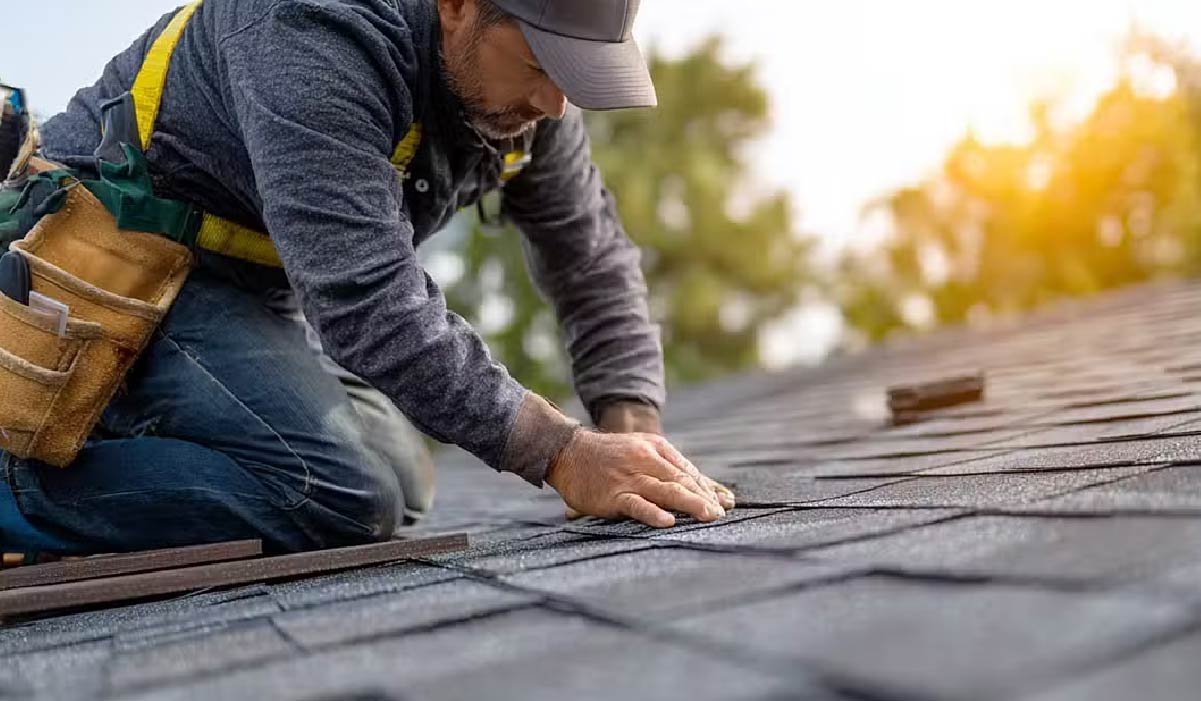
A roof is much more than the visible covering at the top of a property. It is a complete protective system designed to separate the interior environment from rain, wind, sunlight, changing temperatures, moisture, and other outdoor conditions. Because the roof is continuously exposed to these elements, its condition can have a direct influence on the comfort, safety, and long-term structural condition of the building. A carefully planned roofing project can help establish dependable protection while also improving the appearance and overall functionality of the property. Achieving this result requires attention to numerous details, including structural preparation, material selection, drainage, ventilation, flashing, workmanship, and future maintenance. When every component is considered as part of one connected system, property owners can create a roof that is better prepared for everyday exposure and changing environmental conditions.
Understanding the Purpose of a Modern Roofing System
The primary purpose of a roofing system is to protect the structure beneath it, but its responsibilities extend beyond preventing water from entering the building. A properly designed roof can contribute to temperature control, moisture management, energy performance, exterior appearance, and the overall durability of the property. Every component has a role in achieving these objectives. Roofing materials provide the primary weather barrier, while underlayment offers additional protection, flashing manages vulnerable transitions, ventilation helps regulate attic conditions, and gutters control water runoff. These elements must work together because a weakness in one area can affect the performance of the entire system.Understanding this complete role can help property owners approach roofing projects with realistic expectations. A new roof should not simply be viewed as a cosmetic improvement or a replacement of old materials. It should be considered an opportunity to establish a dependable protective structure that supports the property for many years. This perspective encourages careful planning and makes it easier to recognize why professional assessment and quality workmanship are important. Instead of concentrating only on the visible surface, property owners can evaluate how the entire roofing assembly will function under normal weather exposure and everyday use.
Evaluating the Existing Structure Before Work Begins
A thorough evaluation should take place before new roofing materials are installed. The visible condition of a roof does not always reveal what is happening underneath the surface, particularly when moisture has been present for an extended period. Damaged decking, deteriorated wood, weakened areas, inadequate ventilation, or previous installation problems may remain hidden until existing materials are removed. Identifying these conditions early allows the project to be adjusted according to the actual needs of the property rather than relying on assumptions.A professional inspection can also identify areas that require special attention, such as valleys, roof edges, penetrations, chimneys, skylights, and wall intersections. These locations can be more vulnerable to water intrusion because they involve changes in direction or transitions between different materials. Understanding the condition of these areas before work begins helps establish a more complete project plan. If repairs are necessary, they can be addressed before the new roofing system is completed, reducing the possibility of covering unresolved problems that could later become difficult and expensive to correct.
Choosing Appropriate Roofing Materials
Material selection is one of the most visible decisions in a roofing project, but appearance should not be the only consideration. Different roofing products offer different levels of durability, maintenance requirements, weight, weather resistance, design flexibility, and expected service life. Asphalt shingles are widely used in residential applications because they are available in numerous styles and can provide dependable protection when properly installed. Metal and other roofing materials may offer different performance and appearance characteristics that can be appropriate for specific properties and project objectives.Property owners should consider both immediate and long-term requirements when selecting materials. A material that looks attractive may not necessarily be appropriate for the building’s structure or maintenance expectations. Likewise, choosing the least expensive option does not always provide the lowest long-term cost if the material requires frequent attention or does not provide the desired service life. Professional guidance can help property owners understand available options and select materials that balance appearance, performance, durability, and maintenance requirements. Making this decision carefully can establish a stronger foundation for the entire project.
Preparing the Roof Deck and Underlying Components
The surface beneath the roofing material provides an important foundation for the finished system. If the decking is weakened or damaged, new materials may not perform as expected even when they are otherwise high quality. Moisture can gradually affect wood decking, particularly when leaks have remained undetected or when water has repeatedly entered around flashing and penetrations. For this reason, the underlying structure should be inspected carefully during preparation.Underlayment also contributes an additional layer of protection beneath the primary roofing material. It can help manage moisture and provide added defense in areas where water may move beneath the outer surface. Proper installation is essential because underlayment must work with other roofing components rather than being treated as an isolated layer. When the deck, underlayment, flashing, and exterior roofing material are prepared and installed correctly, they form a more cohesive barrier against environmental exposure.
Focusing on Installation Quality
The quality of workmanship can have a major influence on the long-term performance of a roof. Even high-quality materials may fail to provide their intended benefits if they are installed incorrectly or if important details are overlooked. Proper fastening, alignment, material overlap, flashing, edge treatment, ventilation, and sealing all contribute to the finished result. Roofing professionals must also account for the specific design and characteristics of the property rather than relying on a one-size-fits-all approach.Professional installation requires careful attention throughout the entire project. Materials should be handled properly, preparation should be completed before new components are placed, and vulnerable areas should receive appropriate detailing. The installation process should also follow applicable manufacturer requirements for the selected products. Following these practices can help create consistency throughout the roof and reduce the likelihood of premature deterioration caused by installation deficiencies.
Managing Water With Effective Drainage
Water management is one of the most important functions of a roofing system. Rainwater should move efficiently from the roof surface toward designated drainage components and away from the structure. Roof slope, valleys, flashing, gutters, downspouts, and discharge areas all contribute to this process. When water cannot drain properly, it may accumulate around vulnerable areas or repeatedly contact exterior components, increasing the potential for deterioration and moisture-related problems.Gutters are particularly important because they collect water from the roof and direct it toward downspouts. However, the effectiveness of the drainage system depends on proper positioning and ongoing maintenance. Leaves, dirt, branches, and other debris can restrict water flow and cause overflow during heavy rainfall. Damaged gutters may also allow water to collect near walls or foundations. Coordinating the roofing system with properly functioning drainage components can help provide more complete protection for the property.
Addressing Roof Valleys and Penetrations
Roof valleys require careful attention because they collect water from multiple roof surfaces and direct it toward drainage areas. Because of the amount of water moving through these sections, poor installation or damaged materials can create significant problems. Appropriate underlayment, flashing, and roofing techniques can help protect these vulnerable areas and maintain effective water flow.Penetrations such as vents, chimneys, skylights, and other openings also require specialized detailing. Any location where the roof surface is interrupted creates a potential pathway for moisture if it is not properly sealed and flashed. These areas should be inspected during both installation and future maintenance. Careful workmanship around penetrations can help reduce the likelihood of leaks and protect the underlying structure from prolonged moisture exposure.
Improving Ventilation and Moisture Control
Ventilation is an important but sometimes overlooked part of roofing performance. Attic spaces can become hot and humid when air movement is inadequate, potentially affecting insulation, decking, and roofing materials. Excessive moisture can contribute to deterioration, while excessive heat may influence interior comfort and material performance. A properly designed ventilation system encourages appropriate airflow and helps maintain more balanced conditions within the roof assembly.Effective ventilation typically requires a coordinated intake and exhaust strategy. The objective is to allow air to move through the appropriate areas rather than simply adding vents without considering the overall system. During a roofing project, existing ventilation should be evaluated to determine whether it provides adequate airflow for the structure. Addressing deficiencies during construction can be more practical than attempting to correct them after the roofing work has been completed.
Considering Energy Efficiency and Comfort
The roof can influence the energy performance and comfort of a property because it is directly exposed to outdoor temperature conditions. Heat entering through the roof assembly can contribute to warmer interior spaces, while inadequate insulation or ventilation may make temperature control more difficult. Although roofing materials are only one part of a property’s energy system, the roofing project provides an opportunity to consider related components.Property owners may benefit from evaluating insulation, ventilation, and other building-envelope factors alongside the roofing system. A coordinated approach can help improve the overall performance of the property and support more consistent interior conditions. The goal is not necessarily to make every possible improvement at the same time, but to understand how different components interact. This understanding can help property owners prioritize improvements that support the roof and the building as a whole.
Working With Qualified Roofing Professionals
Choosing an experienced contractor is an important part of planning a roofing project. Roofing work involves specialized knowledge of materials, structural conditions, installation methods, water management, ventilation, and safety practices. A qualified professional can evaluate the property, explain available options, identify potential concerns, and develop a project plan based on actual conditions.Property owners should consider more than price when comparing roofing professionals. Communication, experience, project organization, material knowledge, warranty information, and attention to detail can all influence the overall experience and finished result. A clear estimate should explain the expected scope of work and identify important components rather than providing only a general price. Open communication also allows property owners to understand how unexpected conditions will be handled if they are discovered during preparation.
Preparing the Property for Roofing Work
Roofing projects can temporarily affect the normal use of a property. Material deliveries, equipment, construction noise, and debris are common parts of the process, so advance preparation can help minimize disruption. Property owners may need to move vehicles, secure outdoor furniture, protect fragile items, and provide clear access for the roofing team. Discussing these details with the contractor before work begins can make the project more organized.Protecting the surrounding property is also important. Landscaping, exterior features, windows, doors, and other structures may need consideration during construction. Professional crews generally follow procedures for managing work areas and construction debris, but homeowners can help by following preparation recommendations and maintaining communication throughout the project. Proper preparation allows the roofing team to focus on the work while reducing unnecessary complications.
Understanding the Importance of Maintenance
A newly completed roof still requires regular care because no exterior system remains unaffected by weather indefinitely. Wind, rain, debris, sunlight, temperature changes, and biological growth can gradually affect roofing materials and supporting components. Routine inspections can help identify early signs of wear and allow minor concerns to be addressed before they become more extensive.Maintenance should include checking roofing materials, flashing, gutters, downspouts, and other accessible components. Property owners should remain aware of warning signs such as missing materials, damaged flashing, recurring leaks, water stains, unusual moisture, or changes in roof appearance. Professional inspections can provide additional insight when concerns are difficult to evaluate from ground level. Maintaining the roof consistently can help preserve its performance and reduce avoidable repair requirements.
Protecting the Investment Over Time
A successful roofing project should be viewed as a long-term investment in the property. Once the new system is completed, maintaining accurate records can help support future care. Property owners should consider keeping documentation related to materials, warranties, installation details, inspections, repairs, and maintenance. This information can be useful when future professionals need to understand the history of the roof or when warranty-related questions arise.The long-term value of a roof also depends on how quickly problems are addressed. A minor issue with flashing or a damaged roofing component may be relatively straightforward to correct when identified early. If the same problem is ignored, moisture may eventually reach the underlying structure and create more complicated damage. Regular attention therefore supports both performance and cost management by helping property owners address problems according to their actual severity.
Making Decisions With Long-Term Goals in Mind
Roofing decisions are sometimes made under pressure because of leaks, storm damage, or visible deterioration. Although urgent conditions may require immediate action, property owners should still consider long-term goals whenever possible. Selecting materials, planning drainage, evaluating ventilation, and choosing professional workmanship should all be part of the decision-making process. Looking beyond the immediate problem can help create a solution that addresses both current needs and future performance.The objective of roof installation should be to establish a complete protective system rather than simply replace a worn surface. A well-planned project brings together structural preparation, quality materials, appropriate installation methods, reliable drainage, effective ventilation, and suitable maintenance practices. Considering these elements together can help property owners make decisions that support durability and dependable performance while reducing the possibility of avoidable problems.
Creating a More Reliable Exterior System
The roof interacts with many other parts of the property’s exterior. Gutters collect runoff from the roof, siding protects exterior walls, flashing connects different surfaces, and drainage systems carry water away from the building. Because these components work together, a roofing project can provide an opportunity to evaluate related systems and ensure that they remain compatible with the new roof.This broader perspective can be especially valuable when the property has experienced previous moisture problems. Instead of treating each issue independently, property owners can consider how water moves across the entire exterior. Improving one component while leaving a related drainage or flashing problem unresolved may limit the overall benefit of the project. Coordinating the roof with surrounding systems can create a more complete approach to exterior protection.
The Value of Careful Project Completion
The final stage of a roofing project deserves as much attention as the initial planning. Once the main materials have been installed, the completed work should be reviewed for proper alignment, fastening, flashing, ventilation, drainage, and overall finish. Cleanup is also an important part of project completion because construction debris should be removed from the work area and surrounding property.A final review gives property owners an opportunity to understand the completed system and ask questions about maintenance requirements. They can also confirm warranty information, obtain relevant documentation, and learn about recommended inspection intervals. Taking these steps creates a smoother transition from construction to long-term ownership and ensures that the property owner understands how to care for the new roofing system.
Conclusion
A dependable roof is the result of careful planning, suitable materials, professional workmanship, effective water management, appropriate ventilation, and consistent maintenance. Every part of the system contributes to its overall performance, which is why roofing projects should be approached as complete structural improvements rather than simple surface replacements. Evaluating the existing structure, preparing the roof deck, selecting compatible materials, protecting vulnerable areas, and coordinating drainage can establish a stronger foundation for long-term reliability.Professional guidance can also make the process more organized by helping property owners understand their options and identify conditions that may not be visible from ground level. A carefully completed project can improve protection against weather while supporting interior comfort, exterior appearance, and the long-term condition of the building. Once construction is finished, regular inspections and timely maintenance remain essential because even a quality roof is exposed to continuous environmental stress.Ultimately, roof installation is an opportunity to create a durable protective system designed around the property’s specific needs. When structural preparation, materials, flashing, ventilation, drainage, workmanship, and maintenance are treated as connected priorities, the result can provide dependable service and greater confidence for property owners. Taking a thoughtful approach from the earliest planning stage through long-term maintenance can help protect the investment and support the property’s condition for many years.
