


The Value of Consistent Property Maintenance
A property’s exterior is constantly exposed to conditions that can gradually affect its appearance and surface condition. Rain, wind, sunlight, dust, pollen, leaves, moisture, and airborne pollutants can accumulate on outdoor surfaces throughout the year. Even when a property is regularly maintained indoors, neglected exterior areas can make the entire property appear less cared for. Consistent maintenance helps control this buildup before it becomes extensive and difficult to remove. Exterior cleaning provides a practical way to address accumulated dirt and environmental contaminants across appropriate outdoor surfaces while supporting the property’s overall appearance. A complete maintenance approach can include attention to siding, concrete, walkways, patios, screens, roofs, gutters, and other exposed areas. Since each material responds differently to water pressure and cleaning products, the process should be planned according to surface type and condition rather than treating every part of the property in exactly the same manner.
How Environmental Conditions Affect Outdoor Surfaces
Outdoor surfaces experience a combination of environmental factors that can gradually change their appearance. Rainwater can carry dirt across walls and paved areas, while wind can deposit dust, leaves, pollen, and small particles in corners and along edges. Areas that receive limited sunlight may remain damp longer, creating conditions where organic residue becomes more noticeable. Properties surrounded by trees can experience additional buildup because branches, leaves, and pollen are continuously introduced into the surrounding environment. Even surfaces that are rarely touched can develop visible discoloration simply because they remain outdoors throughout changing weather conditions. Understanding these influences is important because cleaning needs are often determined by the property’s surroundings as much as by how frequently the property is used. Regular observation allows homeowners to identify recurring problem areas and develop a maintenance routine that responds to actual environmental conditions rather than relying on a fixed schedule.
Why Different Surfaces Require Different Methods
A property’s exterior may contain several materials, including concrete, brick, siding, stone, wood, painted surfaces, screens, pavers, and roofing materials. These surfaces differ in texture, durability, age, and resistance to moisture and pressure. A cleaning method that works effectively on a durable driveway may be inappropriate for a delicate screen or an aging painted surface. Using excessive pressure can potentially remove coatings, damage fragile materials, or force water into areas where it should not enter. For this reason, effective cleaning depends on selecting the right combination of pressure, water flow, cleaning solutions, equipment, and technique. Professionals can assess the surface before beginning and determine which approach is appropriate for the material and type of contamination. This surface-specific process can improve the quality of the result while reducing the possibility of unnecessary damage during cleaning.
Improving the Appearance of Exterior Walls
Exterior walls represent a significant portion of a property’s visible surface, making their condition an important part of overall curb appeal. Dust, pollen, rain residue, and organic material can gradually create a dull or uneven appearance on siding and other wall finishes. Darker areas may develop beneath rooflines, around windows, near landscaping, or in places where moisture remains for extended periods. Cleaning can help restore a more consistent appearance while making other exterior features more noticeable. However, walls should be cleaned according to their specific material and condition. Older surfaces may require a gentler approach, while more durable materials may tolerate stronger cleaning techniques. It is also important to work carefully around windows, doors, vents, lighting fixtures, and other exterior components. A detailed approach ensures that the cleaning process addresses the visible surface without overlooking the smaller features that contribute to the overall appearance of the property.
Maintaining Driveways and Walkways
Driveways and walkways experience regular exposure to vehicle traffic, foot traffic, soil, leaves, rain, and environmental debris. Because these surfaces are frequently used, dirt can become embedded in textured areas and stains may become increasingly visible over time. Concrete and paver surfaces can also develop darker patches where moisture and organic material remain for long periods. Regular maintenance can help keep these areas cleaner and can make the entrance to a property look more organized and inviting. Cleaning should still be performed according to the material because different surfaces have different levels of durability. Cracks, loose pavers, damaged joints, and other existing issues should be identified before cleaning begins so that they are not mistaken for ordinary staining. Maintaining these high-traffic areas as part of a broader property-care routine can help reduce the amount of heavy buildup that develops between professional service visits.
Caring for Patios and Outdoor Living Areas
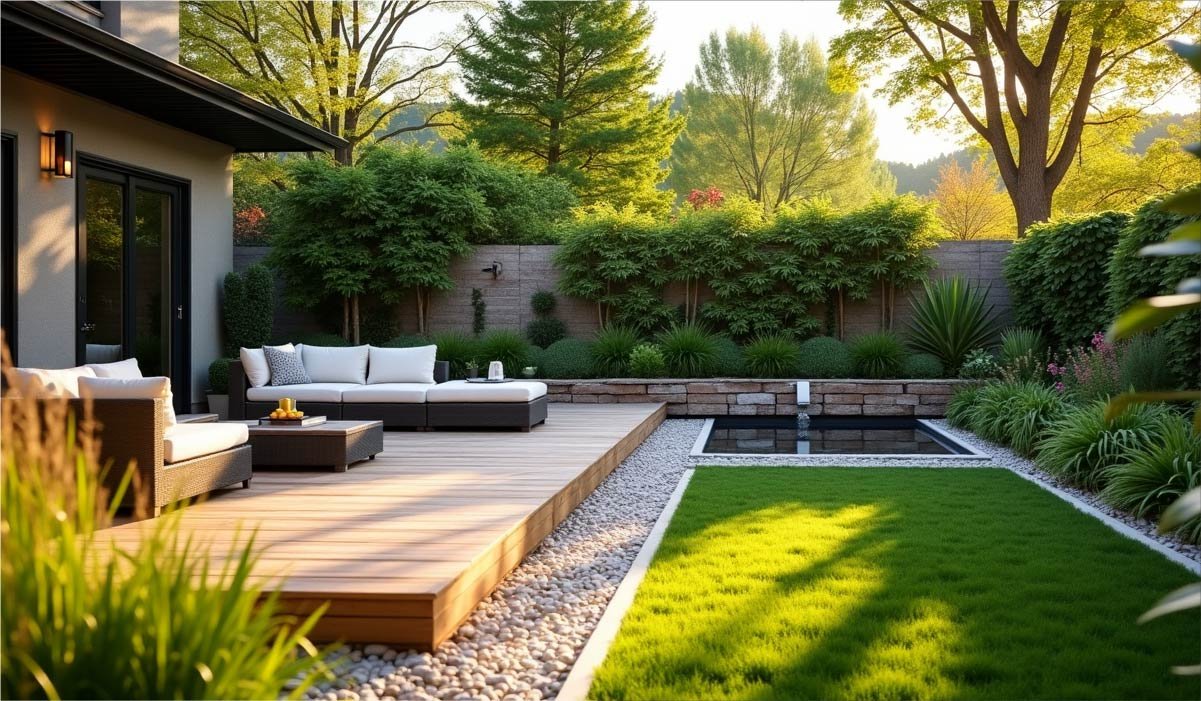
Patios and outdoor living spaces are often used for dining, relaxation, entertainment, and family activities, which makes their appearance particularly noticeable. Outdoor furniture, food particles, soil, leaves, pollen, and moisture can contribute to surface contamination over time. Areas beneath furniture or close to landscaping may remain dirtier because they receive less direct exposure to sunlight and airflow. Cleaning these spaces can help create a more pleasant environment while making the surrounding property appear better maintained. Before cleaning, furniture and movable items should be relocated or protected so that the entire surface can be reached properly. The cleaning technique should be selected according to whether the patio is made from concrete, pavers, stone, wood, or another material. Regular maintenance can also reveal surface concerns such as damaged joints, cracks, drainage issues, or areas where water repeatedly collects.
The Connection Between Roofs and Exterior Surfaces
The condition of a roof can influence other exterior areas because debris and water naturally move from the roofline toward gutters, walls, landscaping, and paved surfaces. Leaves, roof particles, and organic material can enter gutters and eventually affect drainage if they are not removed. Dirty runoff may also leave marks on walls or surrounding surfaces. Maintaining the roof and drainage system therefore supports the cleanliness of other parts of the property. Roof cleaning should be performed using methods appropriate for the roofing material, while gutters should be kept sufficiently clear to support proper water movement. Coordinating these tasks with other exterior maintenance can create a more complete approach to property care. Instead of treating the roof, walls, gutters, and ground-level surfaces as completely separate systems, homeowners can consider how water and debris move between them and plan maintenance accordingly.
Keeping Screens and Enclosures Clean
Screen enclosures around patios, pools, porches, and other outdoor areas can collect dust, pollen, cobwebs, leaves, and organic debris. Because screen mesh contains many small openings, contaminants can remain attached to the material and gradually make the enclosure appear dull. Screens can also become dirty around frame sections, corners, and lower edges where debris tends to accumulate. Cleaning should be performed carefully because screen mesh may be more delicate than concrete or masonry. Excessive pressure can potentially stretch or damage the material, particularly if the screen is already weakened by age or weather exposure. A professional approach can help determine a suitable cleaning method while also making it easier to identify tears, loose mesh, or damaged frames. Maintaining screens alongside patios, pool decks, and other outdoor surfaces can create a more consistent appearance throughout the entire outdoor living area.
Managing Gutters and Drainage Areas
Gutters play an important role in directing rainwater away from the roof and toward suitable drainage locations. When leaves, dirt, and organic debris accumulate inside the channels, water may have difficulty moving through the system during heavy rainfall. Overflow can affect surrounding walls, landscaping, walkways, and other exterior areas. Regular gutter maintenance can therefore complement cleaning work performed on other parts of the property. Downspouts should also be considered because a clear gutter cannot function properly if the discharge path is blocked. Property owners can monitor the system after rainfall and look for repeated overflow, standing water, or visible debris. Addressing drainage concerns as part of general exterior maintenance can help reduce recurring moisture exposure and keep outdoor surfaces cleaner for longer periods.
Preventing Recurring Organic Buildup
Organic buildup can be particularly persistent around properties with mature landscaping, heavy shade, or frequent moisture. Leaves and plant debris can remain against surfaces, while damp conditions may allow residue to become established in textured areas. Removing the visible buildup is important, but long-term maintenance can also benefit from addressing the environmental conditions that contribute to its return. Trimming vegetation away from walls, removing fallen leaves, improving drainage, and allowing surfaces to dry more effectively can all help reduce recurring contamination. This does not eliminate the need for periodic professional cleaning, but it can make routine maintenance more manageable. Property owners should pay particular attention to shaded corners, areas beneath trees, and locations where water tends to collect. Identifying these recurring trouble spots allows cleaning schedules to be based on actual property conditions.
Choosing Professional Exterior Maintenance
Professional cleaning can be particularly valuable when a property contains multiple surfaces with different cleaning requirements.Exterior cleaning can be incorporated into a broader maintenance plan that considers walls, driveways, patios, roofs, gutters, screens, and other outdoor areas. An experienced provider can evaluate visible buildup and select suitable methods based on the material and condition of each surface. This is important because simply applying the highest available pressure is not necessarily the most effective or safest approach. Professional work should also account for windows, doors, landscaping, outdoor furniture, drainage systems, and other surrounding features. Clear communication between the property owner and service provider can help identify priority areas and establish realistic expectations. When multiple maintenance needs are coordinated, the property can be approached as a complete exterior environment rather than as a collection of isolated surfaces.
Creating a Practical Maintenance Schedule
There is no universal cleaning schedule that applies equally to every property. Environmental exposure, surrounding vegetation, weather conditions, surface materials, property usage, and previous maintenance can all influence how quickly outdoor surfaces become dirty. A property surrounded by mature trees may require more frequent attention than one with limited vegetation, while shaded areas may need additional care compared with surfaces exposed to direct sunlight. Property owners can monitor how quickly buildup returns after cleaning and use that information when planning future service. Seasonal changes can also influence maintenance needs, particularly after periods of heavy rain, strong winds, or increased leaf activity. Keeping a basic record of previous cleaning dates and recurring problem areas can make future planning easier. A flexible schedule based on actual conditions can be more useful than waiting until visible buildup becomes severe.
Supporting Long-Term Property Appearance
Long-term exterior care is most effective when cleaning is treated as part of routine property maintenance rather than an occasional response to severe staining. Periodic attention helps control dirt before it becomes deeply established and provides an opportunity to observe changes in surface condition. Homeowners may notice damaged paint, loose materials, cracks, drainage concerns, or other issues more easily when exterior surfaces are clean and visible. Cleaning does not replace necessary repairs, but exterior cleaning can support a broader maintenance process by keeping surfaces accessible and easier to inspect. Coordinating different services can also reduce the likelihood that one neglected area will affect the appearance of another. A clean driveway can complement maintained walls, while clear gutters can support cleaner drainage around the structure. This integrated approach helps create a property that looks consistently maintained rather than one where only individual areas receive attention.
Conclusion
Outdoor surfaces naturally collect dirt, dust, pollen, moisture, leaves, and organic residue throughout the year. Without regular attention, this buildup can affect the appearance of walls, driveways, patios, screens, roofs, gutters, and other visible areas of a property. Exterior cleaning provides an effective part of a broader maintenance strategy when appropriate techniques are selected according to each surface’s material and condition. The best results come from combining regular observation, suitable cleaning methods, drainage care, vegetation management, and professional attention when buildup becomes difficult to manage. By approaching outdoor maintenance as an ongoing responsibility rather than a one-time task, property owners can control recurring contamination, identify developing surface concerns, and maintain a cleaner and more attractive property throughout changing environmental conditions.
