


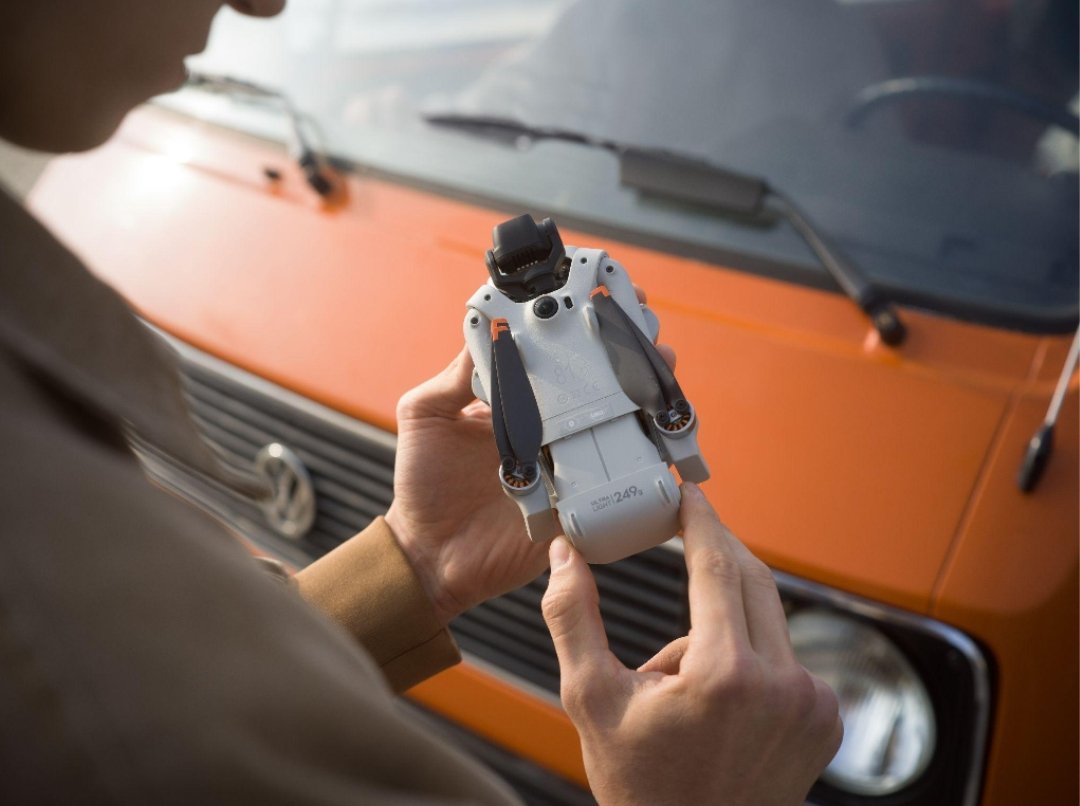
A travel drone has to do more than take sharp photos. It needs to fit in a daypack, launch quickly, handle changing light and give you confidence when the location is unfamiliar. In Canada, weight also affects the regulatory burden, so portability is not only about saving space in your luggage.
The best choice depends on whether you mainly want casual travel memories, polished landscape footage or a more advanced camera system for paid and personal projects.
Weight changes both packing and flying requirements
Transport Canada treats aircraft under 250 g as microdrones. They do not require registration or a drone pilot certificate, although pilots still have to fly safely and follow the rules that apply to micro drones. If accessories push the aircraft to 250 g or more, the requirements change.
For travellers, this makes sub-250 g drones especially attractive. They are easier to carry on hikes, take up less room beside a camera kit and involve less administration for ordinary recreational use.
A larger sensor matters in Canadian landscapes
Mountains, snow, forests and coastal scenes often contain bright highlights and deep shadows in the same frame. A larger image sensor generally gives the camera more room to preserve detail across those extremes, especially around sunrise and sunset.
Resolution still matters, but dynamic range, lens quality and RAW support often make a bigger difference to travel photos. For video, a stable three-axis gimbal and a good 4K mode are more important than simply having the highest number printed on the box.
Obstacle sensing is useful when the location is unfamiliar
Travel flying often happens around trees, cliffs, buildings or viewpoints you have never visited before. Omnidirectional obstacle sensing can reduce risk, particularly when the aircraft is moving sideways or backwards during a cinematic shot.
It is still not a substitute for planning. Thin branches, wires and low-contrast surfaces can be difficult to detect, and local restrictions may prevent flying even when the aircraft itself is capable of the shot.
Plan batteries, storage and airspace before the day starts
Travel days are easier when batteries are charged, firmware is updated and storage is cleared before leaving the hotel. Check the local airspace and any park or municipal restrictions while you still have a reliable connection, and keep enough battery in reserve for the return flight rather than planning around the advertised maximum endurance.
DJI Mini 5 Pro is the most complete travel option for many creators
DJI Mini 5 Pro combines a 1-inch CMOS camera with a 249 g-class design, making it unusually strong for travel. The camera captures 50MP stills and supports 4K video up to 120fps, while the gimbal can rotate for true vertical shooting. That is useful if one trip needs to produce both landscape footage and vertical social content.
Nightscape omnidirectional obstacle sensing and upgraded ActiveTrack 360° add practical support when filming people, cyclists or vehicles. The aircraft also includes 42GB of internal storage, which can be a useful backup when a memory card is full or forgotten.
For Canadian travellers, its low weight is particularly valuable because the aircraft itself sits below the 250 g registration threshold. Pilots still need to follow microdrone safety rules and should check airspace and local restrictions before every flight.
DJI Lito X1 is a strong lower-cost alternative
The newer DJI Lito X1 is also under 249 g and is aimed at pilots who want an easier entry point. It uses a 1/1.3-inch sensor with an f/1.7 aperture and includes omnidirectional obstacle sensing with forward-facing LiDAR, plus ActiveTrack for automated subject filming.
Its image system is less ambitious than Mini 5 Pro, but the combination of portability, sensing and tracking makes it well suited to family trips and first-time aerial video. It is the model to consider when ease of use matters more than getting the largest possible sensor.
When a larger drone is worth carrying
DJI Air 3S makes sense if image versatility matters more than staying under 250 g. It combines a 1-inch wide camera with a 3x medium tele camera, letting you create both broad landscapes and more compressed compositions without relying on digital zoom.
At 724 g, however, it falls into a different regulatory category in Canada. Registration and an appropriate pilot certificate are required for drones weighing 250 g or more, so travellers need to plan for both the added weight and the additional rules.
Choose around the trip you actually take
For hiking, city breaks and trips where every gram matters, Mini 5 Pro is the strongest overall balance of image quality, sensing and portability. Lito X1 is a sensible choice for beginners who want a lighter investment while keeping modern safety features.
Air 3S is better for photographers who know they will use the second focal length and are comfortable with the extra regulatory requirements. The most useful travel aircraft is not automatically the most powerful one; it is the one you can pack, fly legally and deploy often enough to capture the moments you travelled for.
