


The quality of the air inside a home or commercial property can have a significant influence on comfort, cleanliness, and the overall experience of the people who occupy the space. Modern buildings are designed to provide protection from changing outdoor conditions, but tightly sealed structures can also limit natural air exchange when ventilation is not properly managed. Dust, airborne particles, household products, moisture, odors, and other contaminants can accumulate indoors when filtration, ventilation, humidity control, and regular cleaning are not properly coordinated. Maintaining a comfortable temperature is important, but temperature control alone does not guarantee a healthy or pleasant indoor environment. Heating and cooling equipment, ventilation systems, filters, ductwork, building materials, and occupant activities can all influence the condition of the air. A comprehensive approach focuses on identifying potential sources of indoor contaminants, maintaining mechanical systems, controlling moisture, improving airflow, and addressing specific concerns through professional evaluation when necessary. By understanding the factors that influence indoor conditions, property owners can take practical steps toward creating cleaner, more comfortable, and better-managed interior spaces.
Understanding the Factors That Influence Indoor Air
Air inside a building is influenced by many different sources, which means a single solution may not address every concern. Dust can enter through doors, windows, clothing, and normal household activity, while cooking, cleaning products, personal care products, and other activities can introduce additional particles or odors. Pets can contribute hair and dander, while moisture from bathrooms, kitchens, laundry areas, or plumbing problems can affect humidity levels. Outdoor pollutants may also enter through openings, ventilation systems, or gaps in the building envelope. Understanding where indoor contaminants originate is an important first step because different sources require different approaches.Mechanical systems also play a significant role because air continuously moves through filters, ducts, vents, and conditioned spaces. If filters are neglected or airflow is restricted, particles may circulate more easily or accumulate within parts of the system. Poor ventilation can allow odors and other airborne substances to remain indoors for longer periods. At the same time, excessive outdoor air without appropriate filtration or humidity management can create its own challenges. A balanced strategy considers filtration, ventilation, moisture, cleanliness, and source control together instead of relying on one component to solve every problem.
The Role of HVAC Systems
Heating and cooling equipment has an important relationship with the indoor environment because it continuously moves and conditions air throughout occupied spaces. Depending on the equipment and building design, HVAC systems may filter particles, circulate air, remove moisture, and introduce or distribute conditioned air. When these systems are properly maintained, they can support a more comfortable interior environment. However, neglected equipment can develop problems that affect airflow, temperature control, humidity, and overall air circulation.Routine HVAC maintenance helps identify conditions that could interfere with system performance. Dirty filters, blocked airflow pathways, clogged condensate drains, contaminated coils, damaged ductwork, and malfunctioning components can all influence the condition of the air moving through a property. Professional inspections can help determine whether an HVAC-related concern is contributing to indoor problems. Property owners should also recognize that HVAC equipment is only one part of the overall environment. If contaminants are being generated continuously by a particular source, improving the mechanical system alone may not eliminate the underlying issue.
Choosing and Maintaining Appropriate Filters
Air filters are among the most accessible components of an HVAC system and play an important role in capturing airborne particles. However, filters vary considerably in design, filtration capability, size, and system compatibility. Selecting a filter solely because it has a higher filtration rating does not always produce the best result. Some systems may not have sufficient airflow capacity to operate properly with a highly restrictive filter, particularly when the filter becomes dirty.Filters should therefore be selected according to the equipment manufacturer’s recommendations and the needs of the property. They should also be inspected regularly because the appropriate replacement interval can vary depending on household activity, pets, occupancy, construction, and other environmental conditions. A filter that becomes heavily loaded with particles can restrict airflow and cause the equipment to work harder. Replacing filters appropriately supports both filtration and system performance. Professional HVAC service can also help property owners determine whether filtration equipment is suitable for the system and whether additional improvements may be appropriate.
Managing Indoor Humidity
Humidity is an important part of the indoor environment because both excessive and insufficient moisture can affect comfort and building conditions. High humidity can make indoor spaces feel warmer and may contribute to moisture-related concerns when persistent conditions occur. Excess moisture can come from cooking, bathing, laundry, plumbing problems, outdoor air infiltration, or inadequate ventilation. Low humidity can also create discomfort and may contribute to dryness, particularly during periods when heating systems operate frequently.Maintaining appropriate humidity requires attention to the sources of moisture and the equipment used to manage it. Air conditioning systems naturally remove some moisture during cooling, while dedicated dehumidification equipment may be useful in buildings with specific humidity challenges. Exhaust ventilation can also help remove moisture generated by bathrooms and kitchens. If persistent humidity problems occur, property owners should consider professional evaluation rather than simply lowering or raising thermostat settings. Identifying the source of excess moisture is often necessary before selecting the appropriate solution.
Importance of Proper Ventilation
Ventilation helps remove indoor air and replace it with appropriately conditioned outdoor air. Effective ventilation can reduce the concentration of certain indoor contaminants and help control odors and moisture generated by everyday activities. However, ventilation must be designed and operated appropriately because bringing in outdoor air without proper filtration, conditioning, or humidity management can create additional challenges.Different buildings have different ventilation requirements. A residence, office, restaurant, classroom, healthcare facility, and industrial workspace may each require different approaches based on occupancy and use. Professional evaluation can help determine whether the existing ventilation system provides suitable air exchange. Poorly balanced ventilation may contribute to stagnant conditions, persistent odors, or inconsistent temperatures. When ventilation is properly integrated with the HVAC system, it can contribute to a more comfortable and better-managed indoor environment.
Controlling Dust and Airborne Particles
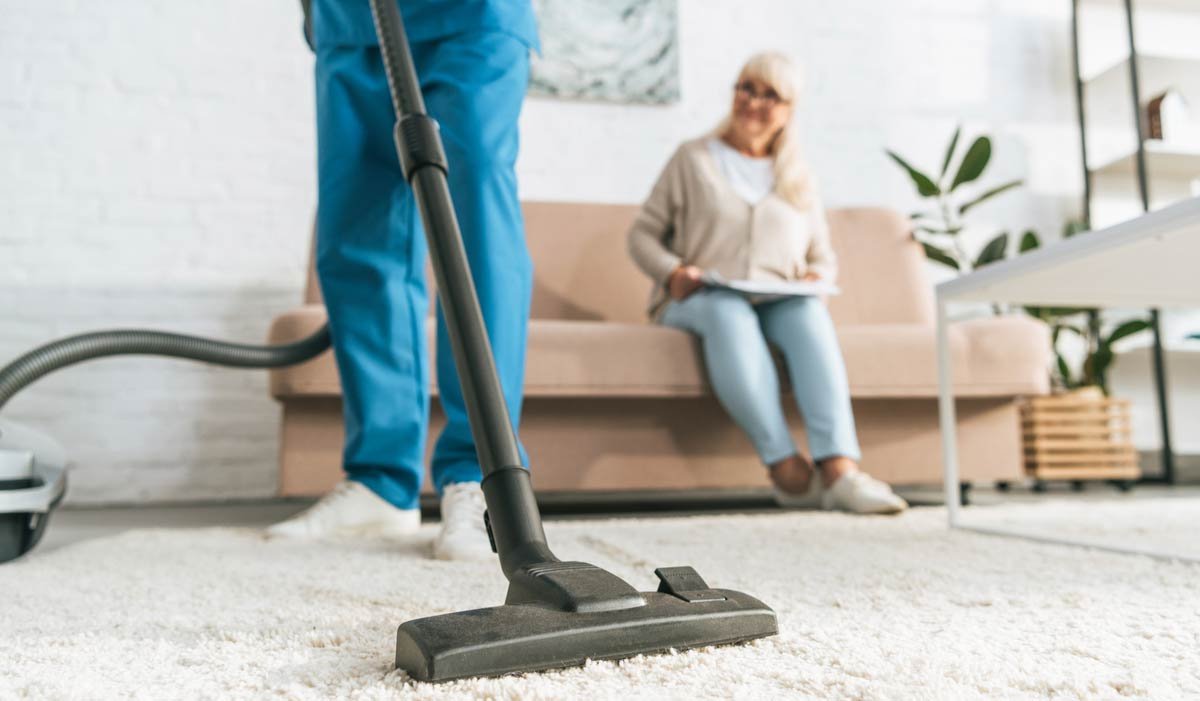
Dust is one of the most common indoor concerns and can originate from numerous sources. Outdoor dirt can enter through doors and windows, while clothing, furniture, carpets, pets, and everyday activities can generate additional particles. Construction and renovation work can temporarily increase airborne dust considerably. If filtration and cleaning practices are inadequate, these particles may remain suspended in the air or accumulate on surfaces.Regular cleaning can reduce the amount of dust available for circulation, but cleaning practices should be coordinated with HVAC maintenance. Vacuuming with appropriate equipment, cleaning surfaces carefully, and maintaining filters can all help reduce particle accumulation. If dust continues to appear unusually quickly despite regular cleaning, property owners may want to investigate possible causes such as duct leakage, inadequate filtration, building air leakage, or excessive particle generation. Professional HVAC assessment can help determine whether the mechanical system is contributing to the problem.
Addressing Unusual Indoor Odors
Persistent odors can have many different causes, and identifying the source is generally more useful than simply attempting to mask the smell. Cooking, cleaning products, pets, plumbing issues, moisture, stagnant air, stored materials, and mechanical equipment can all contribute to unusual odors. Some odors may be temporary and associated with normal activities, while persistent or recurring smells may indicate an underlying condition that requires investigation.HVAC equipment can sometimes contribute to odor problems when components are dirty, moisture is accumulating, or airflow pathways are affected. Condensate drainage issues can be particularly important because standing moisture can create conditions that produce unpleasant smells. If an odor appears primarily when the HVAC system operates, professional inspection may help determine whether the equipment or ductwork is involved. Eliminating the source is generally more effective than relying on fragrances or other products that merely cover the odor.
Keeping Ductwork in Good Condition
Ductwork provides the pathways through which conditioned air travels to different areas of a property. Leaks, gaps, damaged insulation, disconnected sections, or accumulated debris can affect airflow and temperature distribution. In some buildings, ductwork may run through attics, crawlspaces, ceilings, walls, or other areas where temperature conditions differ significantly from occupied spaces. Poorly sealed or insulated ducts can therefore reduce system efficiency and affect comfort.Professional duct inspection can help identify visible damage, leakage, insulation problems, and airflow restrictions. Sealing appropriate leaks can help ensure that more conditioned air reaches the intended spaces rather than escaping into unconditioned areas. Proper insulation can also help reduce unwanted temperature changes as air travels through the distribution system. Ductwork should be considered as part of the overall HVAC system rather than an independent component because its condition directly affects how effectively the equipment delivers conditioned air.
Preventing Moisture-Related Problems
Moisture management is an important part of maintaining good interior conditions. Water leaks, condensation, plumbing failures, roof problems, poor drainage, and excessive indoor humidity can all introduce unwanted moisture into a building. If moisture remains unresolved, it can affect building materials and create persistent odor or air quality concerns. Addressing moisture at its source is therefore essential.Property owners should pay attention to visible water stains, condensation, musty odors, damp surfaces, or unexplained increases in indoor humidity. These signs do not necessarily indicate one specific problem, so professional evaluation may be necessary when the source is unclear. HVAC technicians can inspect relevant equipment and drainage components, while other building professionals may be needed when moisture originates from plumbing, roofing, foundations, or exterior water intrusion. A coordinated approach is often necessary when indoor moisture has multiple possible sources.
Improving Air Circulation
Good air circulation helps distribute conditioned air and can reduce areas where air becomes stagnant. Furniture, curtains, partitions, storage items, and closed interior doors can sometimes interfere with airflow, particularly in rooms that already have limited return-air pathways. If certain areas consistently feel stuffy or significantly warmer or cooler than surrounding rooms, airflow should be evaluated.Air circulation should not be confused with simply increasing fan speed. Excessive airflow without proper system design can create noise, discomfort, or inefficient operation. Instead, the goal is to establish appropriate circulation based on the building’s layout and equipment. Professional assessment can identify whether supply and return pathways are balanced and whether ductwork or equipment components are restricting movement. Improving circulation can support both comfort and more consistent distribution of filtered, conditioned air.
The Importance of Regular HVAC Maintenance
Regular maintenance supports the performance of equipment responsible for moving and conditioning indoor air. Over time, filters become loaded with particles, coils can accumulate dirt, electrical components can wear, and drainage systems may become restricted. These conditions can reduce airflow and affect the equipment’s ability to control temperature and humidity.A professional maintenance program can include inspection and cleaning of relevant components, evaluation of airflow, filter assessment, electrical inspection, condensate drainage checks, and other system-specific tasks. The exact requirements depend on the type of HVAC equipment and the property’s operating conditions. Keeping maintenance records is also useful because recurring issues can reveal patterns that may require a more comprehensive solution. Preventive service can help property owners identify problems before they cause significant disruption.
Evaluating Indoor Air Quality Concerns Professionally
When indoor conditions remain uncomfortable despite regular cleaning and basic maintenance, professional evaluation can provide a more complete understanding of the problem. A technician can inspect HVAC equipment, filters, ductwork, airflow, humidity-related components, and other relevant systems. Depending on the concern, additional specialists may be appropriate if the suspected source involves plumbing, building materials, moisture intrusion, or another area outside the HVAC system.Professional assessment is particularly valuable because indoor air concerns often have multiple possible causes. For example, persistent dust may involve filtration, duct leakage, outdoor infiltration, or normal household activity. Humidity problems may originate from ventilation, equipment performance, building leaks, or occupant activities. Rather than applying the same solution to every situation, a targeted assessment can help identify the underlying factors and determine which improvements are most appropriate.
Indoor Air Quality and Energy Efficiency
Improving interior air conditions does not necessarily require sacrificing energy efficiency. In fact, well-maintained HVAC equipment and properly designed ventilation can support both goals when the systems are appropriately matched to the building. Excessive ventilation, unnecessary fan operation, restricted filters, or poorly sealed ductwork can increase energy use, while inadequate ventilation may create uncomfortable interior conditions.The objective should be balanced performance. Filters should provide appropriate particle capture without creating unnecessary airflow resistance, ventilation should match the building’s needs, and HVAC equipment should operate according to suitable controls. Improving insulation and air sealing can also reduce the amount of heating and cooling required while helping maintain more stable interior conditions. A professional evaluation can identify opportunities where comfort, air management, and energy performance can be improved together.
Supporting Better Conditions Through Everyday Habits
Property owners and occupants can take several practical steps to support cleaner indoor environments between professional service visits. Regular cleaning, appropriate filter replacement, prompt attention to leaks, proper use of kitchen and bathroom exhaust fans, and avoiding unnecessary obstruction of vents can all contribute to better system operation. Keeping indoor spaces reasonably clean also reduces the amount of material available for circulation through the HVAC system.It is equally important to pay attention to changes in the building. New odors, unusual humidity, excessive dust, condensation, unexplained temperature differences, or changes in HVAC operation should not be ignored when they persist. Early investigation can help determine whether the issue is temporary or connected to a developing mechanical or building problem. Consistent awareness allows property owners to address concerns before they become more complicated.
Professional HVAC Services for Better Indoor Conditions
Maintaining good interior air conditions often requires coordination between HVAC equipment, ventilation, filtration, humidity management, and building maintenance. Professional service can help property owners understand how these systems interact and identify areas where performance may be improved. Technicians can inspect equipment, evaluate airflow, review filtration, assess drainage, and identify mechanical conditions that may be affecting comfort.
For property owners seeking professional HVAC assistance, indoor air quality offers services related to heating, cooling, system maintenance, and indoor environmental needs. Working with an experienced service provider can make it easier to establish an appropriate maintenance schedule and address system problems before they become disruptive. A consistent professional relationship can also provide useful service records that support long-term equipment planning.
Creating a Long-Term Indoor Environment Strategy
Maintaining good indoor conditions should be viewed as an ongoing process rather than a single improvement project. Buildings change over time, equipment ages, occupancy patterns shift, and new sources of airborne particles or moisture may appear. A system that performed effectively when first installed may require adjustments or additional maintenance as the property evolves.A long-term strategy can include regular HVAC inspections, filter management, humidity monitoring, ductwork evaluation, ventilation assessment, and prompt attention to moisture problems. Property owners can also keep records of maintenance visits and unusual conditions so that recurring patterns become easier to identify. This information can help professionals determine whether a problem is isolated or part of a larger system issue. Consistent monitoring and preventive care provide a stronger foundation for maintaining comfortable interior conditions over time.
Conclusion
Maintaining good indoor conditions requires attention to the entire environment rather than relying on one piece of equipment or one maintenance task. Filtration, ventilation, humidity control, ductwork, HVAC maintenance, building cleanliness, moisture management, and source control all contribute to the quality of the air within a property. Understanding how these factors interact allows property owners to identify potential concerns more effectively and select solutions that address the underlying causes rather than simply treating visible symptoms.Professional indoor air quality services can be valuable when persistent dust, odors, humidity, airflow problems, or other concerns remain unresolved. Regular HVAC maintenance, appropriate filtration, effective ventilation, proper moisture control, and timely professional evaluation can help create a cleaner and more comfortable indoor environment. By treating air management as an ongoing part of property maintenance, homeowners and facility managers can support dependable HVAC performance while creating interior spaces that are more comfortable and better managed throughout the year.
