


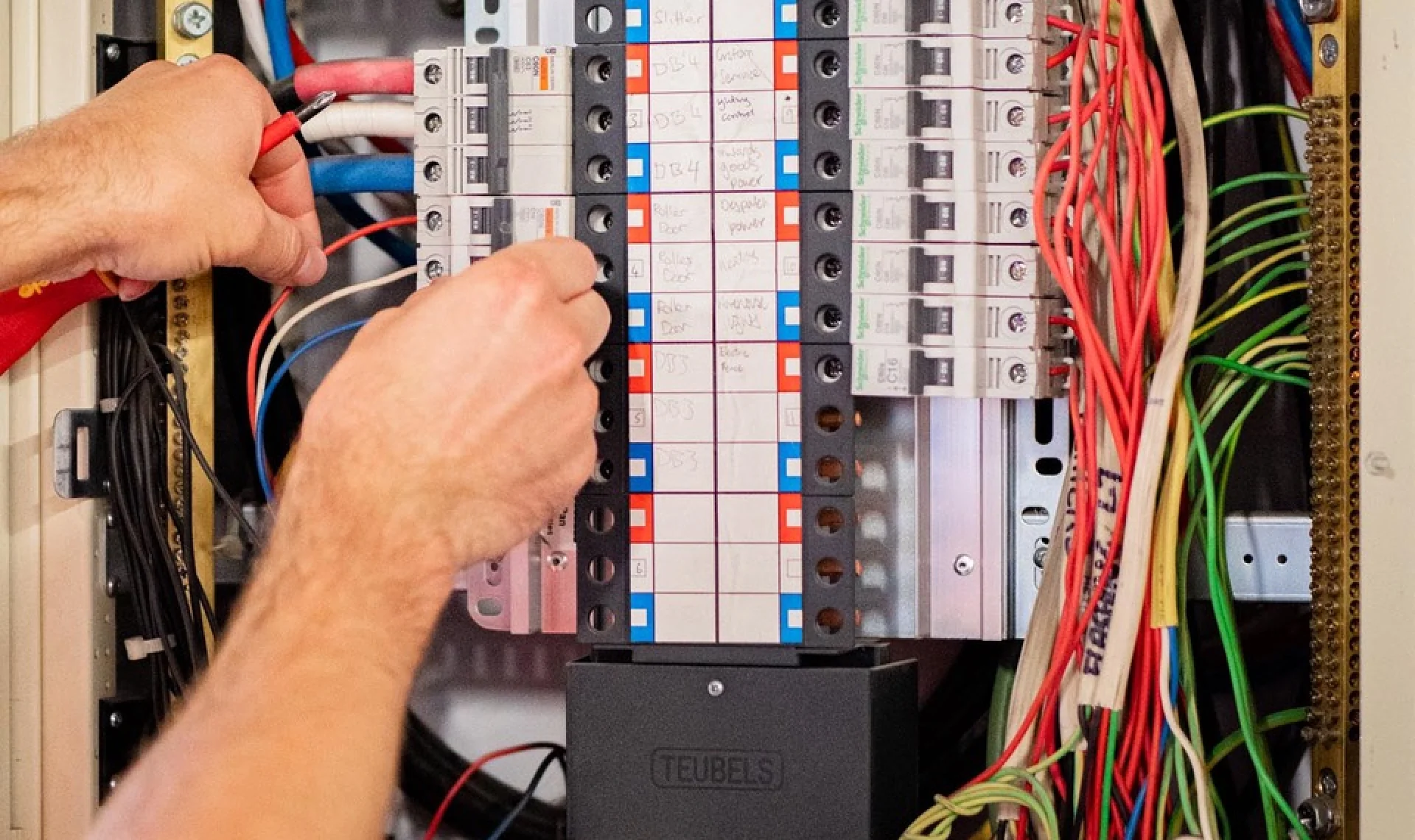
A breaker that trips once is an inconvenience. A breaker that trips repeatedly is a safety signal you should not ignore. Circuit breakers, GFCI outlets, and AFCI breakers are designed to cut power when a circuit is overloaded, shorted, or leaking current to ground. The right response depends on recognizing what is actually happening. This article explains how to read the clues, try safe, surface-level checks, and decide when to stop and call a licensed electrician. It does not ask you to open a panel or work on live parts. Instead, it helps you separate appliance overloads from wiring faults, prevent repeat trips, and prepare useful notes for a professional visit.
-
What the Trip Means and the Clues It Leaves
Standard breakers use a thermal-magnetic mechanism that opens the circuit when conductors overheat, or a short creates a surge. After a trip, the handle usually sits between ON and OFF until you push it firmly to OFF, then back to ON. GFCI outlets and breakers include a TEST and RESET button and will trip instantly if moisture or a ground fault is present. AFCI breakers sense arcing at loose connections or damaged cords and often include a small indicator light. Warm faceplates, a breaker that hums, browned outlet plastic, or a plug with melted prongs are physical signs to stop resetting and find the cause. Many electrical contractor sites explain these device types in plain language, including https://sarkinenelectrical.com/, so you can match the hardware you see to the protection it provides.
-
Three Common Causes: Overload, Short, and Ground Fault
Overloads build heat over minutes as a15-5- or 20-amp circuit tries to serve too many high-wattage appliances. A common scenario is a bedroom space heater running while someone uses a vacuum or iron on the same circuit; the breaker trips once the bimetallic strip inside warms up. Shorts, by contrast, trip almost instantly when a hot conductor touches neutral or ground, which can happen if a screw pierces a cable or a receptacle fails internally. Ground fault trips are often linked to moisture or worn insulation and show up at GFCI devices, like an outdoor outlet that trips during a rainstorm. Kitchen small appliance circuits are both GFCI protected and 20 amps; a microwave and toaster can overload the breaker, while a damp countertop outlet will trip the GFCI first.
-
Safe Checks You Can Do Without Opening the Panel
Start by unplugging or switching off everything on the affected circuit. Reset the breaker fully to OFF, then to ON. Plug devices back in one at a time, starting with items that draw little current, like lamps or phone chargers, and save space heaters, hair dryers, and vacuums for last. Press TEST, then RESET, on any GFCI outlets downstream of the breaker; if an outdoor or garage GFCI refuses to reset, check for moisture under an in-use (bubble) cover and replace cracked covers. Inspect cords for damage and scorched plugs, and replace any power strips that feel warm or show loose sockets. In kitchens, move the microwave or toaster to another small-appliance circuit to balance the load. Label which outlets go dark when a given breaker trips; that map will help a pro find shared runs or daisy-chained receptacles later.
-
When the Pattern Points to a Wiring Problem
If the breaker trips immediately with nothing plugged in, you may have a short in fixed wiring, a failed receptacle, or a damaged light fixture. Repeated AFCI trips in the same bedroom or living room often trace back to loose backstabbed receptacle connections; moving conductors to the device’s side screws is a common repair a licensed electrician can perform. A multi-wire branch circuit that shares a neutral needs a two-pole breaker or handle tie; without it, simultaneous loads can overheat the neutral and nuisance trip. Persistent outdoor GFCI trips after dry weather can indicate a deteriorated box gasket or water inside a conduit body. Older aluminum branch circuits require aluminum-rated devices or approved connectors to reduce oxidation and arcing. Buzzing at the panel, burnt odor at an outlet, or a warm breaker are all stop signs to avoid further resets and schedule service.
Long-Term Fixes: Dedicated Circuits, Panel Capacity, and Protection
Some problems are best solved by changing the circuit, not your routine. A garage freezer, workshop dust collector, or window A/C often deserves a dedicated 20-amp circuit so it does not compete with lights and receptacles. An EV charger or welder requires a dedicated 240 volt circuit with the correct breaker type and conductor size. The trade-off is cost and minor drywall repair versus ongoing nuisance trips; for heavy loads, the dedicated run is usually the safer, more convenient path. Never “solve” trips by installing a higher amp breaker on existing wiring, which violates code and risks fire because the conductor size stays the same. If your panel is maxed out or your service is undersized for modern loads, a load calculation will identify whether a panel or service upgrade is prudent. Consider dual-function GFCI/AFCI protection where code requires it to reduce shock and fire risks, and understand that older tools or appliances with worn brushes may trip these devices more readily. As routine care, test GFCI outlets monthly, replace cracked in-use covers outdoors, and keep a written circuit directory current; these simple steps make future troubleshooting faster and safer.
Repeated trips are frustrating, but they are also valuable information. By noting whether the breaker trips instantly or after several minutes, checking GFCI devices, and isolating which appliances were running, you can often separate an overload from a true fault without opening the panel. Avoid quick fixes like upsizing a breaker or taping a handle in the ON position. Document what you find, include photos of outlets or plugs that show heat damage, and share your circuit map with a licensed electrician. With clear clues and the right repair, you can restore reliability and protect wiring, devices, and the people who use them.
