


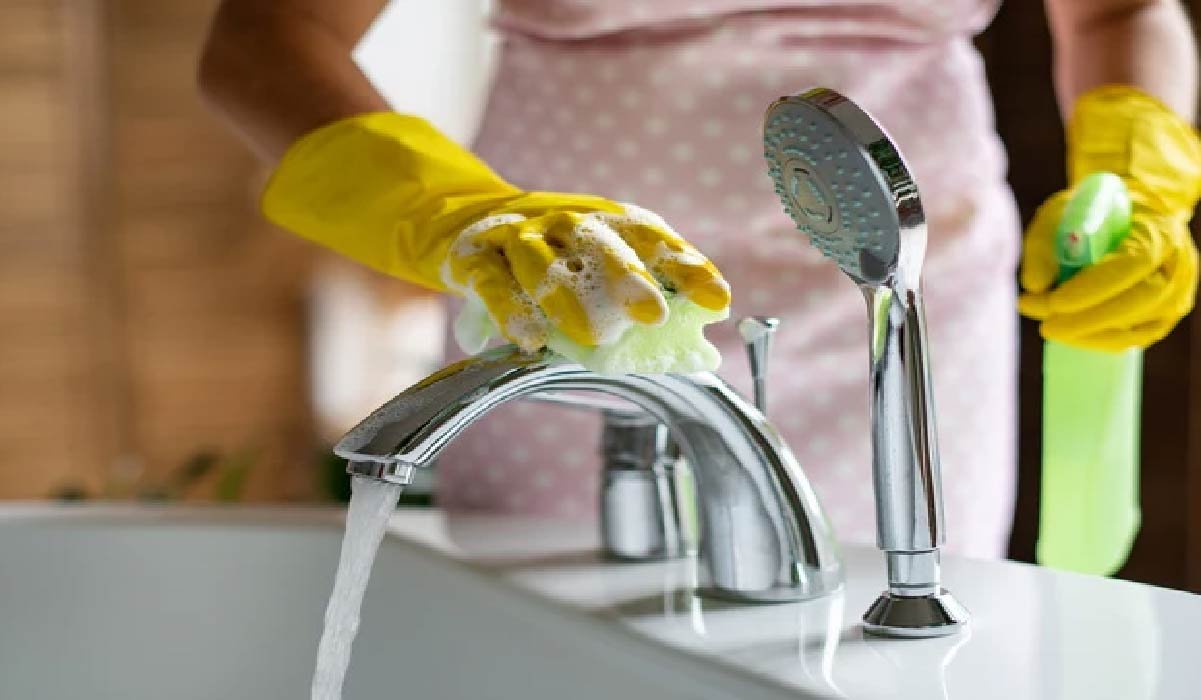
Faucets are among the most frequently used components in a plumbing system, making their condition important to the daily comfort and efficiency of a property. From kitchen sinks and bathroom vanities to utility areas and other water fixtures, faucets are turned on and off repeatedly throughout the day. Over time, constant use, mineral deposits, worn seals, loose connections, corrosion, and internal component deterioration can affect their performance. A faucet that once operated smoothly may begin dripping, developing low water flow, becoming difficult to turn, or showing signs of leakage around its base. While some problems may appear minor, ignoring them can allow water waste and related plumbing concerns to continue for an extended period. Professional faucet repair can address many of these issues while helping property owners avoid unnecessary replacement when the existing fixture can still provide reliable service.
Understanding Common Faucet Problems
A faucet can experience several different types of problems depending on its age, design, installation quality, water conditions, and frequency of use. One of the most recognizable signs is a persistent drip after the handle has been turned off. Although a single drop may seem insignificant, a continuously leaking faucet can waste water over time and may indicate that an internal washer, cartridge, valve, or seal is no longer functioning correctly. Other common symptoms include water leaking around the handle, moisture appearing near the base, unusual sounds during operation, inconsistent flow, or a handle that feels loose or difficult to move. Each symptom can have a different underlying cause, so identifying the source is an important part of effective service.Low water flow is another concern that can interfere with normal use. Mineral deposits and sediment may accumulate inside the aerator or other components, restricting the passage of water. In some cases, the issue may be limited to the faucet itself, while reduced flow throughout several fixtures could indicate a broader plumbing concern. Professional evaluation can help distinguish between a localized fixture problem and an issue involving the property’s water supply or pressure. Making that distinction is important because replacing a faucet will not resolve a system-wide problem that originates elsewhere in the plumbing network.
Why Small Leaks Should Not Be Ignored
A dripping faucet may not appear serious when compared with a major plumbing leak, but small leaks deserve attention because they can continue for long periods without being noticed or corrected. Constant moisture can also contribute to staining, deterioration of surrounding surfaces, and damage to cabinets or other materials when water escapes from areas that are not immediately visible. A leak beneath a sink can be particularly troublesome because stored items may conceal moisture until the surrounding cabinet begins showing signs of damage. Addressing the issue early can help limit the amount of water wasted and reduce the possibility of secondary problems.Small leaks can also indicate that internal components are wearing out. A deteriorating cartridge or seal may continue to function partially while gradually becoming less reliable. If the problem is addressed promptly, replacing the affected component may restore normal operation without requiring a complete fixture replacement. Delaying service can sometimes allow additional components to deteriorate, making the eventual repair more involved. Property owners can benefit from treating recurring drips and moisture as useful warning signs rather than assuming that the issue will resolve on its own.
Evaluating the Faucet Before Repair
A proper repair begins with identifying the type of faucet and determining which components are responsible for the problem. Modern faucets may use cartridges, ceramic discs, compression mechanisms, ball assemblies, or other internal designs. Each configuration has different service requirements, and using an incorrect replacement component can prevent the fixture from operating properly. Before beginning repairs, a professional can inspect the faucet’s visible condition, test its operation, check connection points, and identify signs of internal wear or damage.The age and overall condition of the fixture should also be considered. If the faucet is relatively new and its primary problem is a worn seal or cartridge, repairing the affected component may be a practical option. An older fixture with extensive corrosion, damaged threads, deteriorated connections, or multiple failing components may require a different approach. Professional evaluation helps property owners understand whether repairing the existing faucet is reasonable or whether replacement would provide more dependable long-term performance. This prevents unnecessary work while also avoiding repairs that may offer only a short-term solution.
The Role of Seals, Washers, and Cartridges
Many faucet problems originate from small internal components that control water flow and prevent leakage. Washers and seals can gradually lose their ability to create a tight barrier as they age. Cartridges can also develop wear that causes dripping, uneven flow, or difficulty controlling temperature. Because these parts are exposed to repeated movement and contact with water, they may eventually require replacement even when the main faucet body remains in good condition.Replacing the correct internal component can restore the faucet without removing the entire fixture. However, proper identification is essential because replacement parts vary considerably between faucet designs and manufacturers. A professional technician can determine which component is needed and install it correctly. During the process, the surrounding connections can also be inspected for signs of corrosion or deterioration. This broader evaluation is valuable because replacing an internal part without addressing a damaged connection may leave the underlying problem unresolved.
Addressing Leaks Around the Faucet Base
Not every faucet leak originates from the internal valve mechanism. Water can also escape around the base of the fixture, particularly when seals have deteriorated or the mounting assembly has become loose. A leak in this area may be noticeable only when the faucet is being used, allowing moisture to accumulate around the sink opening. Over time, repeated exposure to water can affect the surrounding countertop, cabinet, or mounting hardware.Repairing a base leak requires identifying where the water is entering or escaping. Simply tightening a component may not solve the problem if a seal has deteriorated or if the fixture itself has developed damage. Professional service can include inspecting the mounting area, checking supply connections, examining seals, and confirming that the faucet is securely positioned. Addressing the actual source rather than simply reducing visible symptoms can help provide a more durable repair.
Water Pressure and Faucet Performance
Water pressure can have a noticeable effect on how a faucet performs. Excessive pressure may place additional stress on plumbing components, while insufficient pressure can result in weak or inconsistent flow. If only one faucet has reduced pressure while other fixtures operate normally, the problem may be related to an aerator, cartridge, supply connection, or internal obstruction. If several fixtures experience similar symptoms, the issue may involve a larger section of the plumbing system.A professional inspection can help determine whether the faucet itself is responsible for the problem. Cleaning or replacing an obstructed aerator may restore normal flow in some situations, while a damaged cartridge may require more extensive service. Understanding the relationship between the fixture and the broader plumbing network prevents property owners from replacing a functional faucet when the actual issue exists elsewhere. Proper diagnosis can therefore save time and help ensure that the selected solution addresses the real cause.
Mineral Deposits and Water Conditions
Water quality can influence faucet performance over time. Minerals and sediment can accumulate in aerators, cartridges, valves, and other internal areas, gradually restricting water flow or affecting how smoothly the fixture operates. Visible white or chalky deposits around the faucet may indicate mineral buildup, although the appearance and severity of deposits can vary depending on the water conditions and fixture materials. Regular cleaning may help maintain external surfaces, but internal buildup may require professional attention when it begins interfering with operation.Persistent mineral accumulation can also shorten the service life of certain components by making moving parts harder to operate. Handles may become stiff, cartridges may wear more quickly, and small openings may become restricted. Property owners experiencing repeated faucet problems may benefit from having the plumbing system evaluated rather than addressing each symptom separately. Understanding the water conditions and maintenance needs of the property can help create a more effective long-term approach to fixture care.
Repairing Versus Replacing a Faucet
One of the most important decisions during faucet service is determining whether repair or replacement makes greater practical sense. Repair may be appropriate when the faucet body remains in good condition and the problem is limited to replaceable components such as cartridges, washers, seals, or aerators. In these situations, targeted service can restore functionality without the expense and disruption associated with installing a completely new fixture.Replacement may become more appropriate when the faucet has extensive corrosion, structural damage, repeated failures, obsolete components, or significant deterioration. An older fixture may also be difficult to repair if replacement parts are no longer readily available. Professional assessment allows property owners to consider the condition of the entire fixture rather than making a decision based solely on the presence of one leaking component. The objective should be to select a solution that provides dependable performance while making reasonable use of the existing plumbing infrastructure.
Why Professional Workmanship Matters
Faucet work may appear simple because the fixture is small and easily visible, but improper repairs can create additional plumbing problems. Over-tightening connections can damage components, while incorrect installation of seals or cartridges can result in continued leakage. Damaged threads or supply connections can also become more difficult to service if handled improperly. Professional workmanship helps reduce these risks by using appropriate tools, identifying the correct replacement parts, and following suitable installation procedures.A professional can also inspect surrounding plumbing while working on the faucet. Supply lines, shutoff valves, drain connections, and nearby pipes may show signs of wear that are not obvious during normal use. Identifying these concerns during a service visit can help property owners address developing problems before they become emergencies. This broader approach can be particularly valuable in older plumbing systems where multiple components may be approaching the end of their useful service life.
Preventive Maintenance for Better Faucet Performance
Routine maintenance can help extend the useful life of faucets and reduce the likelihood of unexpected problems. Property owners should pay attention to changes in handle movement, water flow, temperature control, and leakage. Cleaning aerators periodically can help prevent restrictions caused by mineral deposits and sediment. Visible moisture around the base or under the sink should also be investigated rather than ignored. Keeping the area beneath sinks clear can make it easier to notice small leaks before they cause significant damage.Shutoff valves and supply connections should also be checked periodically, particularly when the property is undergoing other plumbing work. Knowing where the relevant valves are located can make it easier to stop water quickly if a faucet or supply connection develops a serious leak. Professional inspections can provide additional value for older systems because technicians can identify wear that may not yet be causing obvious symptoms. A proactive maintenance approach can reduce the likelihood of unexpected fixture failures and help preserve the performance of the overall plumbing network.
When Faucet Problems Point to Larger Plumbing Issues
Although many faucet problems are isolated to the fixture, recurring symptoms can sometimes indicate broader plumbing conditions. Multiple faucets with reduced flow may suggest pressure limitations, supply restrictions, or other system-level concerns. Repeated leaks around several fixtures could indicate aging supply lines, excessive pressure, or deteriorating connections. If a faucet develops problems soon after another plumbing component has been serviced, the relationship between the two issues may also deserve investigation.Professional diagnosis is particularly useful when symptoms are recurring or appear in multiple areas of the property. Instead of repeatedly repairing individual fixtures without identifying the underlying cause, a technician can evaluate the broader plumbing system and determine whether a larger issue is contributing to repeated failures. This approach can help property owners make more informed maintenance decisions and avoid unnecessary replacement of components that are not actually responsible for the problem.
Planning Long-Term Plumbing Care
Faucets are only one part of a larger plumbing network, and their performance can be influenced by the condition of pipes, valves, pressure controls, water heaters, and drainage components. A property-wide maintenance strategy can therefore provide greater value than addressing fixtures only when they fail. Keeping records of repairs, replacement parts, installation dates, and recurring problems can help technicians understand the history of the plumbing system during future service visits. Long-term planning can also make larger plumbing improvements easier to coordinate. If several fixtures are aging at the same time, property owners may be able to address related work during a planned maintenance project rather than waiting for individual failures. This can reduce repeated disruption and provide an opportunity to evaluate the surrounding plumbing infrastructure. Professional faucet repair can help determine which repairs should be handled immediately and which improvements can reasonably be incorporated into a longer maintenance plan.
Conclusion
A properly functioning faucet contributes to everyday convenience while also supporting efficient water use and dependable plumbing performance. Persistent dripping, restricted flow, difficult handles, base leaks, and other unusual symptoms should not be dismissed simply because the fixture continues to provide some level of service. Early evaluation can identify worn components and determine whether a targeted repair can restore normal operation. When professional faucet repair is performed with careful diagnosis and appropriate replacement parts, property owners can often address problems before they develop into more extensive plumbing concerns.Maintaining faucets should also be viewed as part of broader plumbing care. Regular observation, timely service, appropriate cleaning, and professional inspections can help identify developing problems while they are still manageable. When repair is no longer practical, a professional evaluation can help determine whether replacement is the better long-term solution. By paying attention to small warning signs and maintaining plumbing fixtures consistently, property owners can support reliable water delivery, reduce unnecessary waste, and keep their plumbing system performing effectively for years to come.
