


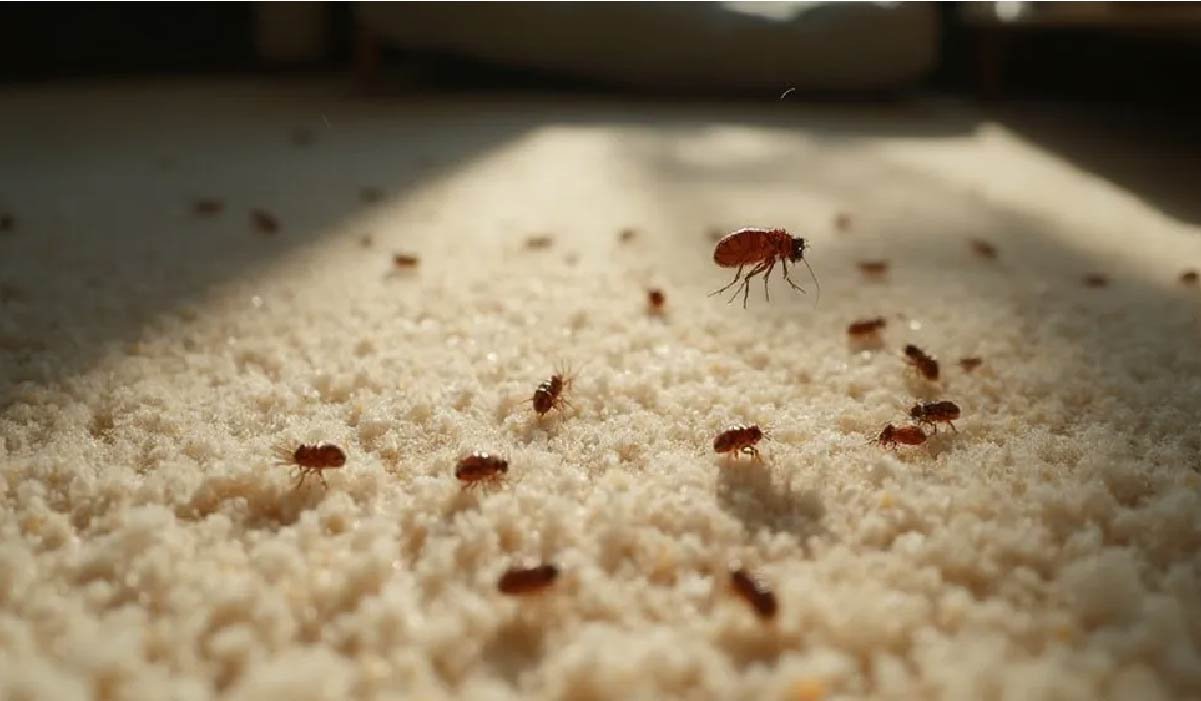
Fleas are small pests, but an infestation can become a major household nuisance when it is not addressed promptly. These insects can reproduce quickly and may survive in carpets, bedding, upholstery, cracks, floor coverings, and other areas where pets or people spend time. Although fleas are commonly associated with cats and dogs, an infestation can affect the entire household environment. Simply treating a pet may not be enough because flea eggs, larvae, and pupae can remain in the surrounding environment and later develop into adult fleas. Effective Flea Treatment therefore requires attention to both the animals and the areas where fleas may be developing.
Understanding the flea life cycle is one of the most important aspects of dealing with an infestation. Adult fleas are only one stage of the problem. Eggs can fall from an animal onto carpets, furniture, bedding, and floors, while larvae can develop in protected areas containing organic debris. Pupae can remain dormant for extended periods and may emerge when they detect movement, warmth, or other signs of a potential host. This ability to persist in the environment explains why infestations can seem to disappear and then return later.
Understanding the Flea Life Cycle
Fleas develop through several stages: egg, larva, pupa, and adult. Each stage behaves differently, which means a single treatment method may not eliminate the entire population. Adult fleas generally live on a host, where they feed and reproduce. Their eggs, however, can fall into the surrounding environment.
The eggs develop into larvae, which tend to avoid light and seek protected locations. They may be found deep within carpets, beneath furniture, along floor edges, inside pet bedding, or in other sheltered areas. The larval stage eventually develops into a pupa enclosed within a protective cocoon.
Pupae can be particularly challenging because they may remain inactive until environmental conditions signal that a host is nearby. Normal household movement can stimulate emerging adults, which may make it appear that new fleas have suddenly appeared after an earlier cleaning or treatment.
Because the different life stages occupy different environments, successful elimination requires a comprehensive strategy rather than focusing exclusively on visible adult fleas.
Recognizing the Signs of an Infestation
Flea bites are one possible indication of flea activity, although bites alone cannot confirm an infestation. Fleas can cause itching and irritation in both animals and people, and some pets may scratch, lick, or bite their skin more frequently than usual.
Pets may also show signs such as excessive grooming, restlessness, hair loss, or irritated skin. Fleas can sometimes be visible when the animal’s fur is examined carefully, particularly around areas such as the neck, lower back, abdomen, and base of the tail.
Flea dirt is another useful clue. These dark particles are flea feces and may resemble small grains of black pepper. When placed on a damp white paper towel, flea dirt can sometimes leave reddish-brown marks because it contains digested blood.
Environmental signs may include fleas jumping from carpets or upholstery, particularly when a room has been undisturbed. Finding evidence in both pets and indoor areas strongly suggests that the infestation needs to be addressed throughout the property.
Treating Pets as Part of the Solution
If pets are present, they are often an important part of the flea-management process. Treating the home while leaving an infested animal untreated can allow the flea population to continue developing.
Veterinarians can recommend appropriate flea-control products based on the animal’s species, age, weight, health status, and other relevant factors. Products intended for dogs should not automatically be used on cats because certain ingredients can be dangerous to cats.
Pet owners should carefully follow product instructions and avoid combining treatments unless a veterinarian or product label indicates that doing so is appropriate. Young animals, elderly pets, pregnant animals, and pets with health problems may require additional consideration.
Regular veterinary guidance can also help establish a preventative program after the immediate infestation has been addressed. Preventative treatment can be particularly useful for pets that spend time outdoors or live in environments where fleas are common.
Cleaning the Home Thoroughly
Environmental cleaning is a major component of Flea Treatment because flea eggs and immature stages can remain hidden in the home. Vacuuming is one of the most useful measures because it can remove eggs, larvae, flea dirt, and debris from carpets and other surfaces.
Carpets should be vacuumed thoroughly, with particular attention given to areas where pets spend time. Edges of rooms, beneath furniture, cracks, upholstered furniture, stairs, and other sheltered locations should not be overlooked.
Vacuum bags or collection containers should be emptied appropriately after cleaning so that removed insects do not remain inside the equipment. The manufacturer’s instructions should be followed when disposing of vacuum contents.
Regular vacuuming should continue after the initial treatment because pupae that were not affected during the first cleaning may emerge later. Consistent cleaning can help reduce newly emerging adults and interrupt the infestation over time.
Washing Bedding and Fabrics
Pet bedding, blankets, washable rugs, cushion covers, and other fabric items can harbor flea eggs and immature stages. These materials should be washed regularly using appropriate laundering procedures.
Where the fabric and manufacturer’s instructions allow, washing with hot water can help remove flea stages. Drying at an appropriate temperature can provide additional assistance.
Bedding should be cleaned frequently during an active infestation, particularly if pets sleep on or near it. Items that cannot be washed may require another appropriate treatment method or temporary removal from the affected area.
Upholstered furniture should also be inspected and vacuumed carefully. Fleas and their immature stages can hide in seams, crevices, and beneath cushions.
Managing Carpets and Floor Areas
Carpeted rooms can provide favorable environments for flea development because fibers offer shelter and organic material can accumulate beneath the surface. Vacuuming should therefore be performed consistently rather than only once.
Hard flooring is generally easier to clean, but fleas and their immature stages can still be present around edges, beneath furniture, cracks, and other protected areas. Regular sweeping, vacuuming, and cleaning can help reduce environmental debris.
If an infestation is severe, professional pest management may be necessary. A technician can evaluate the property and determine whether an appropriate environmental treatment is needed.
Using Environmental Pest-Control Products
Environmental products may be used as part of a broader flea-management strategy. Depending on the product, treatments may target adult fleas, immature stages, or both.
Some products contain insect growth regulators designed to interfere with flea development. These can be useful because eliminating only adult fleas may leave eggs and immature stages unaffected.
All pesticide products should be used exactly according to their labels. The label specifies where a product can be applied, how much should be used, ventilation requirements, re-entry instructions, and precautions for people and animals.
Fogging or excessive spraying is not automatically better. Applying large amounts of pesticide without understanding where fleas are developing can create unnecessary exposure while failing to address hidden stages effectively.
Professional Pest Management
When home cleaning and pet treatment do not resolve the problem, professional assistance may be appropriate. A pest-management professional can inspect the property, identify likely flea-development areas, and recommend a treatment program based on the circumstances.
Professional Flea Treatment may involve targeted applications to carpets, cracks, upholstered areas, pet resting locations, and other suitable sites. The exact approach depends on the property, flea population, and products being used.
Follow-up service can sometimes be necessary because flea pupae may survive an initial treatment and emerge later. A professional can explain what should be expected after treatment and which cleaning or monitoring steps should continue.
Homeowners should ask pest-control providers about the products they use, preparation requirements, treatment areas, follow-up procedures, and safety instructions before service begins.
Why One Treatment May Not Be Enough
One of the biggest misunderstandings about flea infestations is the expectation that a single treatment will immediately eliminate every flea stage. The flea life cycle makes this difficult because pupae can remain protected within cocoons.
After an initial treatment, newly emerged adult fleas may still be noticed. This does not necessarily mean the treatment failed. However, continued activity should be monitored and addressed according to the treatment plan.
Vacuuming can help stimulate flea emergence while simultaneously removing developing stages and adults. Consistent environmental cleaning combined with appropriate pet protection can gradually reduce the remaining population.
If activity continues for an extended period, the situation should be reassessed. There may be an untreated pet, an overlooked resting area, outdoor exposure, or another source sustaining the infestation.
Preventing Fleas From Returning
Once an infestation has been controlled, prevention becomes an important part of long-term pest management. Pets should receive appropriate preventative care according to veterinary recommendations.
Regularly washing pet bedding and vacuuming areas where animals spend time can help reduce environmental buildup. Outdoor areas where pets frequently rest may also require attention, particularly when flea activity is suspected.
Pet owners should also be cautious when animals interact with other pets or environments where fleas may be present. Fleas can move between hosts and environments, making prevention an ongoing responsibility.
Routine grooming can provide another opportunity to identify flea activity early. Combing a pet’s fur with an appropriate flea comb can help reveal adult fleas or flea dirt before the problem becomes extensive.
Outdoor Sources of Fleas
Although fleas are commonly noticed indoors, outdoor environments can contribute to recurring infestations. Shaded, protected areas where animals rest may provide suitable conditions for flea development.
Wild animals and roaming pets can also introduce fleas into outdoor spaces. Owners should avoid creating conditions that attract wildlife near areas where pets spend time.
Keeping outdoor resting areas clean and managing vegetation appropriately may help reduce favorable flea habitats, although outdoor flea management can vary considerably depending on climate, wildlife activity, and property conditions.
If fleas repeatedly return despite thorough indoor treatment and appropriate pet prevention, an assessment of the outdoor environment may be worthwhile.
Protecting Children and Pets During Treatment
Safety should always be considered when using pest-control products. Children and pets should remain away from treated areas for the period specified by the product label or pest professional.
Food, dishes, toys, pet bowls, and other items that may come into contact with treated surfaces should be removed or protected according to treatment instructions.
Aquariums can require special precautions because some pesticide products may be harmful to fish or aquatic organisms. Pest professionals should be informed about aquariums and other sensitive animals before treatment.
Good ventilation may also be required after certain applications. The property’s occupants should follow all instructions provided by the product manufacturer or pest-management professional.
Common Mistakes During Flea Management
One common mistake is treating only the pet. Although pets can carry adult fleas, eggs and immature stages can be distributed throughout the home. Environmental treatment is therefore often necessary.
Another mistake is stopping treatment as soon as visible fleas disappear. Because pupae can emerge later, continued monitoring and cleaning may be needed.
Using inappropriate products is another concern. Products designed for one species or environment may not be safe or effective in another. Pet owners should avoid applying household insecticides directly to animals unless the product is specifically labeled for that purpose.
Overusing pesticides can also create unnecessary exposure risks. More product does not necessarily mean better control. Following label directions is essential.
Cost Considerations
The cost of Flea Treatment can vary depending on the size of the property, severity of the infestation, number of pets, treatment methods, number of service visits, and amount of preparation required.
Minor infestations may be manageable through consistent cleaning and appropriate pet care, while established infestations may require professional service and multiple treatments. Large properties or heavily carpeted homes may also require more time and resources.
When hiring a pest-control company, homeowners should request information about the treatment plan, preparation requirements, follow-up visits, and any guarantees offered. Understanding the complete scope of service makes it easier to compare providers.
The cost of prevention should also be considered. Regular veterinary-approved flea prevention and routine cleaning can help reduce the likelihood of another major infestation.
When to Seek Professional Help
Professional assistance may be appropriate when fleas continue to appear despite consistent cleaning and appropriate pet treatment. Persistent infestations can indicate that an environmental source has not been identified or that immature flea stages remain active.
Professional help may also be useful when the infestation is extensive, multiple pets are affected, or household members are experiencing significant discomfort. A technician can inspect areas that homeowners may overlook and develop a structured treatment plan.
If a pet has severe itching, skin irritation, weakness, or other concerning symptoms, veterinary attention should be sought. Fleas can contribute to health problems in animals, and appropriate treatment should be based on the pet’s individual circumstances.
Final Thoughts
Fleas can be persistent because their life cycle allows eggs, larvae, and pupae to remain hidden in the environment while adult fleas live on animals and seek hosts. For that reason, successful Flea treatment requires more than removing visible insects. Treating pets appropriately, cleaning the home thoroughly, washing bedding, vacuuming regularly, managing potential outdoor sources, and using environmental treatments when appropriate can address the infestation from multiple directions.
Homeowners should focus on breaking the flea life cycle rather than simply reacting to individual sightings. Consistency is particularly important because newly emerging fleas may appear after the initial treatment has been completed.
Professional pest-management services can provide additional assistance when infestations are persistent or extensive. A qualified technician can identify likely problem areas, recommend appropriate treatments, and explain the follow-up steps necessary to achieve better results.
Preventative care is equally important once the infestation has been resolved. Regular pet protection, grooming, cleaning, and monitoring can help detect flea activity early and reduce the possibility of a recurring problem. With a comprehensive approach and attention to both pets and the surrounding environment, Flea Treatment can become a manageable process rather than a recurring household frustration.
